 reva
revaHow to Avoid Buying Stolen Goods: Red Flags and Checks for Resellers
A bargain that looks too good can cost you the item, the money and a visit from the police. What to check, what to ask for and what the Polish Criminal Code says.
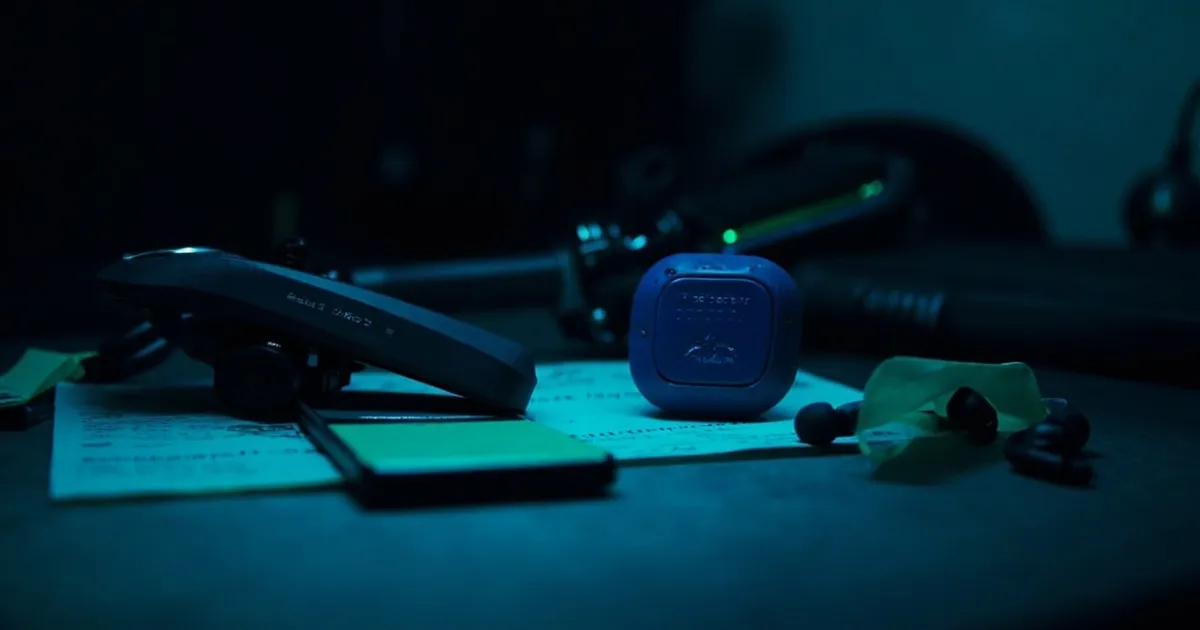
- Resellers face higher risk than one-off buyers: volume, repeat categories and low prices are your business model, so any single bad purchase hits harder.
- Red flags in listings: price far below fast-sell, stock photos, new account, several identical high-value items, vague origin story.
- Red flags at meeting: no box, charger or receipt; seller cannot unlock the device or explain how they use it; rushed cash deal; location changes mid-meeting; account still locked to the original owner.
- Polish law: Article 292 kk punishes buying when you 'should and could suspect' the item came from a crime — the circumstances matter, not just your intent.
- If you suspect after buying: stop selling, keep records, contact police, do not confront the seller.
When you buy used items for resale, the risk is not only overpaying or getting a broken item. You also risk buying something obtained illegally — and Polish law holds resellers to a higher standard than casual buyers. The product sourcing guide covers where to find good stock; this page covers how to spot danger.
This page gives you a practical red-flag checklist backed by the actual wording of the Polish Criminal Code (Kodeks karny). The articles quoted are from Dz.U. 2024 poz. 17, checked on 14 September 2026.
Why resellers carry more risk
A one-off buyer who gets caught once loses one item and its price. As a reseller, you buy repeatedly, often in the same categories, and your business model relies on low prices. One stolen item can:
- Cost you the item and the money you paid
- Lead to criminal liability under Articles 291–293 of the Polish Criminal Code
- Damage your reputation if you resell it to another buyer
The law does not require intent to convict you. Article 292 § 1 kk covers situations where you «should and could suspect» (powinien i może przypuszczać) that the item was obtained illegally.
Red flags in the listing
Before you even contact the seller, several warning signs should make you cautious:
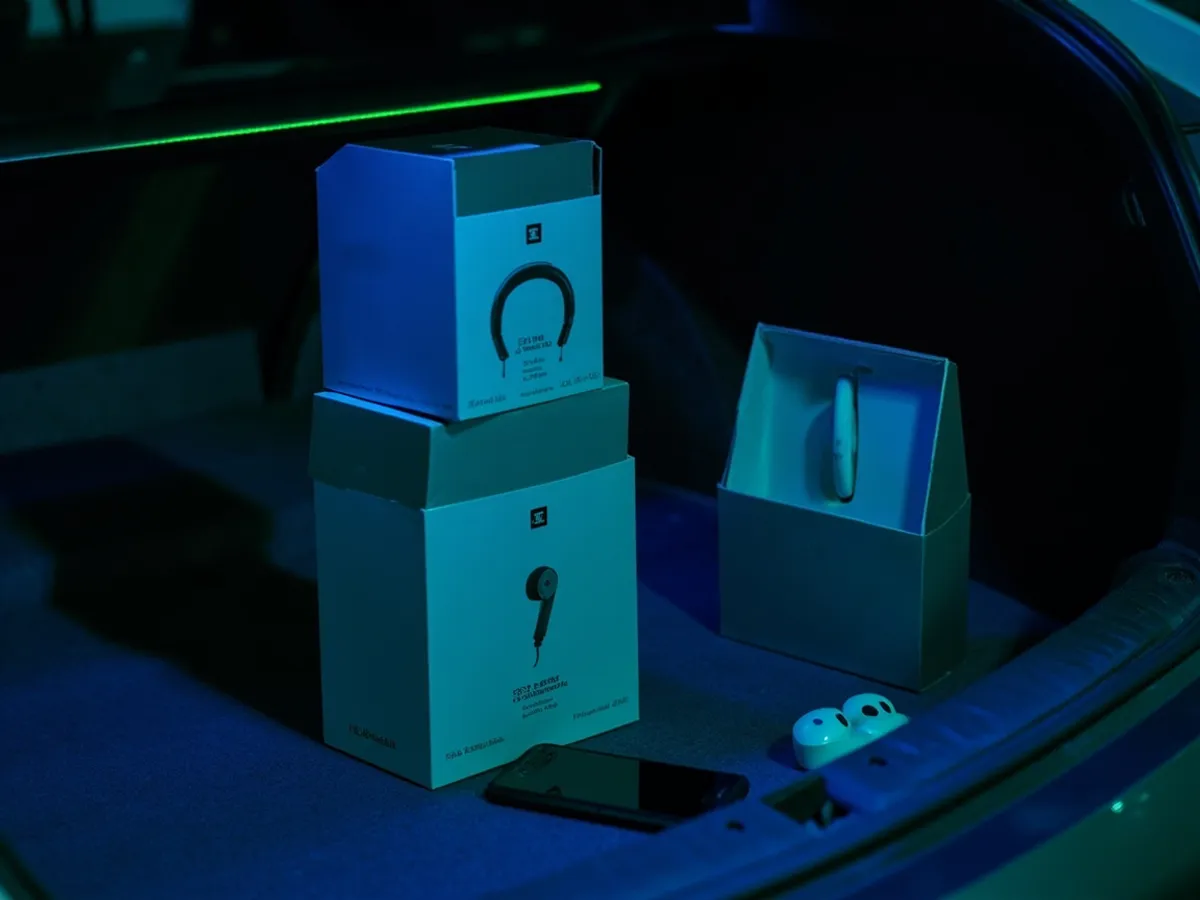
- Price too low. Compare the asking price against the fast-sell quarter of comparable listings. Say you price at 40% or more below that — ask why. A genuine motivated seller can explain; a stolen item cannot.
- Stock or stock-like photos. Professional product photos, white background, no environment context. Ask for a real photo showing the item where it currently sits.
- New seller account. Check how long the account has existed and what else they list. A day-old account with five brand-new iPhones is a clear signal.
- Multiple identical items. OLX rules require one listing per item in the user's possession. Several new high-value items of the same model suggest commercial sourcing, not a private sale.
- Vague origin. «Found in storage», «inherited», «clearing out» — without specifics, these are cover stories.
Red flags at the meeting
If you proceed to meet the seller, watch for these warning signs:
- No original box, charger or receipt. For electronics, these are the minimum documentation. Without them, you cannot verify the serial number.
- Seller cannot open the device settings. A genuine owner can open Settings on their phone, tablet or laptop. If they claim they «forgot the code» or «it's locked to an account», walk away.
- Seller does not know basic details. Ask: «What apps do you use on this?» «What's your most played game?» A real owner answers instantly. A thief stalls.
- Rushed cash deal. «I need to go», «I can only take cash», «Let's meet now» — pressure to close fast eliminates your chance to check.
- Location changes. Seller agrees to meet, then messages «actually, can we change to this other place?» — a classic stalling tactic while they check if anyone is following.
- Account still locked to previous owner. For phones: check if the device is still linked to the original owner's iCloud or Google account. A factory reset that fails to remove the activation lock is a major red flag.
Serial numbers, IMEI and frame numbers
Verification is your strongest defence. For every high-value electronic item:
- Match the number on the device to the number on the box and receipt. All three must align.
- Ask the seller to show the serial in Settings. For iPhones: Settings → General → About. For Android: Settings → About Phone. If they refuse, walk away.
- Check IMEI online through your mobile operator or the IMEI database services — though note that Polish public registries for IMEI or bike frame numbers are not officially verified, so treat any «clean» result from a third-party site with caution.
- For bikes: note the frame number (usually stamped on the bottom bracket or head tube). Ask for any registration documents or proof of purchase.
For more on testing devices at pickup, see test used electronics.
What Polish law says: paserstwo
The Polish Criminal Code has three articles that directly address buying stolen goods:
- Article 291 covers intentional handling: helping sell, passing on or hiding an item you know was obtained illegally. Penalties range from 3 months to 5 years for the basic offence, with lower-gravity cases getting a fine, restriction of liberty or up to 1 year.
- Article 292 is the key risk for resellers: it covers unintentional handling (paserstwo nieumyślne). If the circumstances should have made you suspect the item was illegally obtained — and you bought it anyway — you face a fine, restriction of liberty or up to 2 years. For items of considerable value, the penalty rises to 3 months to 5 years.
- Article 293 § 2 adds a civil consequence: the court can order the item forfeited even if you paid for it in good faith.
This is general information, not legal advice. For specific situations, consult a lawyer (radca prawny or adwokat).
For the legal risk of selling fakes, see selling counterfeits law.
If you suspect an item is stolen after buying
If you discover problems after the purchase — or later realise you missed red flags — act immediately:
- Stop selling the item. Do not list it, do not ship it to a buyer.
- Keep all records. Chat messages, payment confirmations, photos the seller sent, the meeting location. These are evidence.
- Contact the police. Go to your local station with your evidence. File a report. The police can investigate whether the item was reported stolen.
- Do not confront the seller. Messaging them that you know can alert them, compromise investigations or escalate conflict.
- Accept the loss. Under Article 293 § 2 kk, you may lose both the item and the money. This is why prevention matters more than cure.
For common OLX scam patterns, see OLX scams for sellers. For buying safely on Facebook Marketplace, see Facebook Marketplace flipping.
A buying policy you can apply every time
Build these rules into your sourcing workflow:
- No serial number matching box and receipt = no deal
- No receipt for items over say you set a 500 zł threshold = no deal
- Seller cannot open device settings in front of me = no deal
- Two or more red flags combined = walk away
- Always test the device at the meeting before paying
- Keep chat and payment records for every transaction
For iPhone-specific checks, see the iPhone resale guide. For bike checks, see the bike resale guide. This page is part of the broader product sourcing guide cluster.
Frequently asked questions
Can I be charged for buying something I did not know was stolen?
What documents should I ask for when buying a used device?
Is a very low price a sign that an item is stolen?
What should I do if I think I bought a stolen item?
Sources
- Kodeks karny, tekst jednolity Dz.U. 2024 poz. 17, art. 291 checked 14 Sept 2026
- Kodeks karny, Dz.U. 2024 poz. 17, art. 292 checked 14 Sept 2026
- Kodeks karny, Dz.U. 2024 poz. 17, art. 293 checked 14 Sept 2026
- Vinted Poland: commercial selling signals checked 13 Sept 2026
Set your buying rules once
Max price, minimum profit, categories, condition. reva alerts you when a matching item appears and, where the marketplace allows it, can take it to checkout. It stops before payment: you always confirm.
reva estimates prices from public listings. Estimates, not guarantees.Keep reading
Where resellers find stock and how to judge it: online listings, second-hand shops, bales, alerts, buying rules, demand checks and fake detection.
25 min read
A 10-minute test protocol for used phones, laptops, consoles and headphones before you pay, what counts as not as described and when verification helps.
7 min read
Is it illegal to sell fake designer items? What Polish trademark law says, the criminal risk, Vinted's counterfeit rules and the 48-hour evidence window.
7 min read