 reva
revaHow to Sell Football Shirts
Club, season, version and size are the search terms. Fakes are the risk. A listing that covers both sells without arguments.
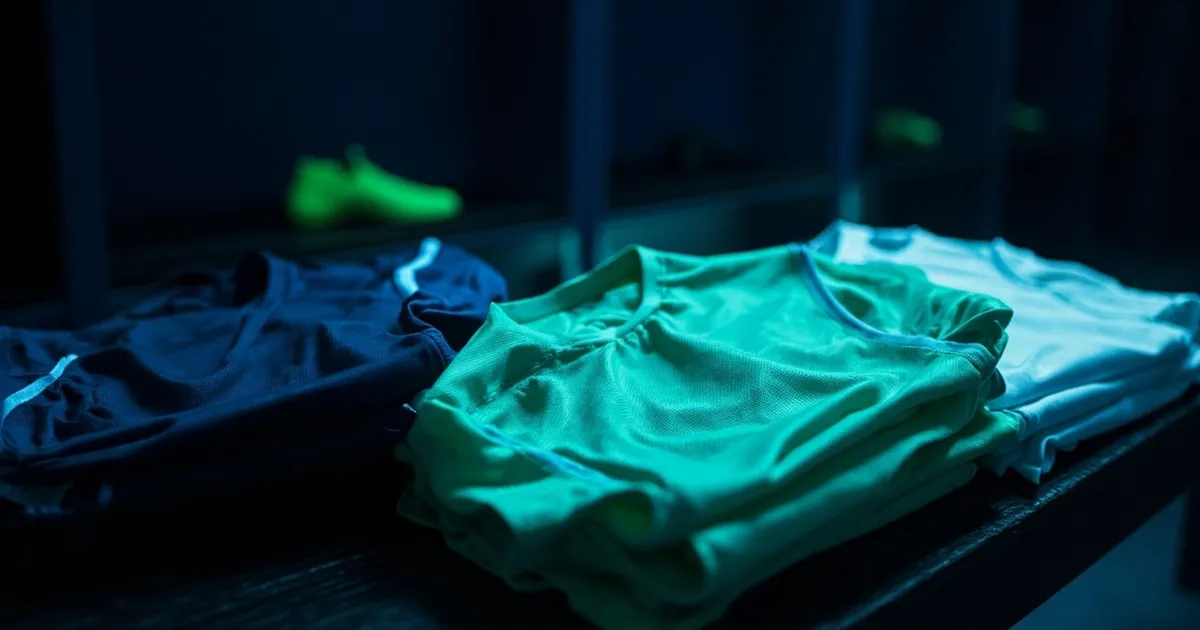
- Name the club, season, home or away, and fan or player version — these four details decide which comparables apply.
- Vinted forbids counterfeits; listing a fake risks a ban. Use the product code as one signal among several, not as proof.
- Measure pit-to-pit and length flat, and list both the tag size and your measurements — cuts vary between makers.
- Describe printing type, crest condition, and any flaws honestly. Incorrect size and undisclosed damage are SNAD on Vinted.
Selling football shirts comes down to four details: the club or national team, the season, whether it's a home or away kit, and whether it's a fan or player version. Those four pieces of information decide which comparable listings apply — miss one and a buyer cannot price your shirt fairly. This page covers how to identify and describe each detail, what tags and product codes can and cannot prove, how to handle printing and condition, and where to list to avoid disputes. For other resale categories, see the resale category guides.
Which shirt you have: club, season, and home or away
The first line of your listing needs the club or national team, the season, and whether it's a home or away kit. Buyers filter by these three details, and your listing will not appear in their search if any are missing.
To confirm the season, look at the sponsor logo, crest design, and any specific details that changed between years. If you are unsure, check the club's official shop or the kit maker's archive before you list.
Name, number, and player names in the listing title are optional but help the shirt reach buyers searching for a specific player. If the shirt has official printing, state it clearly.
Authentic, replica, and fake
Kit makers sell two versions of each shirt: a match version worn by players on the pitch, and a fan version sold to supporters in shops. The player version typically uses lighter, more breathable fabric with a trimmer fit, while the fan version is made from heavier, more durable material with a relaxed cut. The exact fabric composition and fit differ between makers — check the product page on the kit maker's website for the specific details.
The word "replica" causes confusion. Some sellers use it to mean an official fan shirt (the retail version), while others use it loosely to describe copies. In your listing, clarify exactly which version you have: say "fan version" or "player version" rather than relying on the word replica alone.
Vinted's catalog rules strictly forbid counterfeits, including handmade items that resemble other brands. Listing a fake shirt can lead to the item being removed and your account being sanctioned. Photos must be of the real item you are selling — stock photos are not allowed.
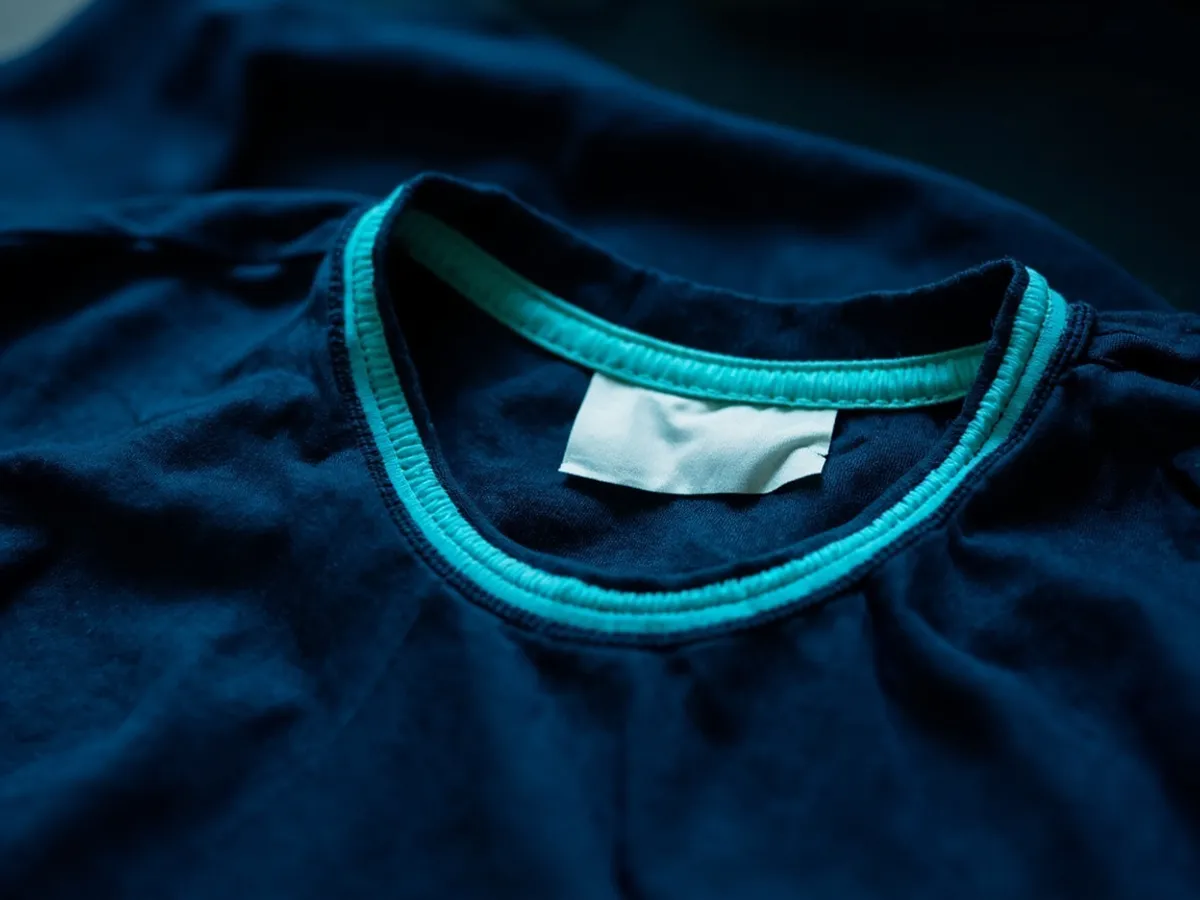
If you are unsure whether your shirt is genuine, look for inconsistencies in the stitching, crest embroidery, fabric quality, and tag details. Compare your shirt to the official product page on the kit maker's website. The product code is one signal, but it is not definitive — counterfeiters copy codes onto fakes.
Tags and codes: what they can and cannot prove
Many football shirts carry a product code on an inner tag, usually near the neck. This code can often be searched online and will match the maker's records for a specific season, club, and design. A matching code is evidence that the shirt is legitimate, but it is not proof — counterfeiters replicate these codes on fakes.
Use the product code as one signal among several:
- 1Club, season and versionConfirmed against club or maker archives
- 2Product code searchedMatches official records
- 3Construction detailsCrest, stitching, fabric consistent with official product
- 4Measure pit-to-pit and lengthBoth measurements stated with tag size
- 5Printing and patchesType, condition and any flaws described
If the code does not match, or if you cannot find any record of it, treat the shirt as potentially problematic. When in doubt, do not list it — the risk to your account is not worth the sale.
Printing, patches, and condition
Official name and number printing applied at the factory may help a shirt sell, particularly for popular players or significant squad numbers, but there is no published data on how much printing changes the resale price. Personalised printing from a third party or heat-press kits generally add little or no value. A blank shirt lets the buyer add their own printing.
Describe the printing honestly:
- Type: factory heat-press, sublimated, embroidered, or DIY
- Condition: intact, slight cracking, significant wear, peeling
- Patches: sleeve patches present, missing, or damaged
Common condition issues to disclose:
- Cracking or peeling on heat-pressed numbers
- Fading from sun exposure
- Pulls or snags in the fabric
- Stains, including deodorant marks
- Missing or damaged sleeve badges
Vinted's rules on significantly not as described (SNAD) treat undisclosed damage, incorrect size, and counterfeits as SNAD — the buyer can open a dispute. Always disclose every flaw, even small ones.
Sizing across kit makers
Kit makers use different cuts, so a Large in Nike fits differently from a Large in Adidas or Puma. The tag size is only a starting point. Measure your shirt flat and list both the tag size and your measurements:
- Pit-to-pit: chest width measured flat from armpit to armpit
- Length: from shoulder seam to hem
Compare your measurements to the size chart on the kit maker's product page — most makers publish flat measurements for each tag size. If you cannot find the chart, state in your listing that the buyer should check the maker's website for exact dimensions.
Vinted's SNAD rules treat incorrect size as significantly not as described. If your measurements differ from the tag size, disclose both. If you are unsure of the exact measurements, say so.
Pricing and retro shirts
Price your shirt by comparing identical club, season, version (fan or player), and size. The price range for the same shirt in the same condition can be wide, so look at several comparable listings and pick your position on the price ladder.
Retro shirts — generally ten years or older — sell based on condition and authenticity evidence. Older shirts in good condition with verifiable details command a premium. For retro shirts, the product code and any provenance (original tags, box, or receipt) add credibility.
Look up current listings of the same shirt on Vinted, OLX and Allegro Lokalnie, and price against those. If you are unsure where to start, a pricing tool can show you the range.
Where to sell and how to avoid disputes
Vinted is free for private sellers in Poland. The buyer pays a fee — currently 5% of the purchase price plus 2.90 zł. Vinted's Item Verification service costs 45 zł and is optional and buyer-paid — check in the app whether your shirt is eligible before mentioning it in the listing. Note: Vinted is updating its Terms on 8 October 2026 for Poland — check the help pages before listing.
Vinted's help pages note that many new or tagged items, identical items in several sizes, stock photos, and bulk-bought goods are signals of commercial activity. If you are selling several shirts from a collection, use your own photos rather than stock images, describe each shirt individually, and avoid listing multiple identical new items at once.
Disputes on Vinted typically involve:
- Counterfeit claims: the buyer believes the shirt is fake. Your evidence (product code search, construction details, photos) matters.
- Incorrect size: the shirt does not fit as described. Your measurements and the tag size must match what you listed.
- Undisclosed damage: any flaw you did not mention. Photograph every issue clearly.
For more on handling disputes, see Vinted returns and disputes. The same measure-and-describe approach works for reselling Levi's jeans.
To avoid disputes, photograph the inner tag, measure the shirt, describe every flaw, and clarify whether the shirt is fan or player version. Good titles include the club, season, version, and size:
Bayern Munich 2022-23 home shirt — player version — size L
Weak titles like "original football shirt size L" give buyers no way to compare your listing to others.
For more on writing titles, see writing listing titles and descriptions. To check if a listing might be fake, see how to spot fake listings.
For hoodies, sneakers and other streetwear, see the streetwear resale guide.
Frequently asked questions
What is the difference between a player version and a replica shirt?
Does a product code prove a football shirt is genuine?
Do name and number printing add value?
How do I size football shirts from different kit makers?
Sources
- Vinted Catalog Rules checked 13 Sept 2026
- Significantly not as described items at Vinted checked 13 Sept 2026
- Commercial selling on Vinted checked 13 Sept 2026
- Vinted Poland price list checked 13 Sept 2026
Analyze an item with reva
Open any find and see its five-level price ladder, demand score and price confidence, built from comparable items that left the market. Estimates, not guarantees.
reva estimates prices from public listings. Estimates, not guarantees.Keep reading
What sets the price, the main risk and the best selling channel for each category of used items, from phones and LEGO to jackets, with a guide for each one.
17 min read
Reselling Levi's jeans: list the fit number, measure waist, rise and inseam flat, explain tag size vs real size, check wear points and write clear titles.
6 min read
How to resell streetwear: why release cycles make prices move fast, how to authenticate before you buy, and how to price pieces the hype has already left.
7 min read