 reva
revaUnit Economics (Reselling)
The money story of one item, from the price you paid to the payout you keep.

- Unit economics = sale price minus marketplace fee, shipping you paid, packaging, buy price and extra costs — profit on one item, not the month.
- On Vinted, selling itself is free for private accounts; the only seller-side costs on the price list are optional Bump or Showcase.
- Allegro Lokalnie charges 7.9% on Kup teraz and auctions (4.9% in Elektronika); local listings (ogłoszenia lokalne) are 0 zł.
- OLX's Pakiet Ochronny fee is paid by the buyer, and its exact amount is not published, so leave it out of your own cost line.
- A few big winners can hide several items sold at or below cost — check unit economics per item, not just the monthly total.
Unit economics is what one item earns you, from what you paid for it to the money that actually lands in your account. It is not the price shown in the app before fees, and it is not your total profit for the month — it is the arithmetic for a single flip, item by item, and one of the core numbers behind the inventory management guide. Below: the formula, what to count for each marketplace, a worked example in zł, and why the number matters most right before you buy more of the same thing.
The formula
This matches the net_payout and profit columns in the free reseller inventory and profit tracker: net payout is sale price minus fee minus shipping you paid, and profit is net payout minus buy price minus extra costs. Fill in one row per item and the sheet does the subtraction for you.
What goes into one unit
Fees are not the same across marketplaces, so check which line applies before you subtract anything:
- Buy price you actually paid, not the asking price you started from
- Marketplace fee, if the marketplace you sell on charges the seller
- Shipping you paid yourself (not shipping the buyer covered)
- Packaging: mailer, tape, labels
- Extra costs: cleaning, small repairs, listing photos you paid for
On Vinted, selling itself is free for a private account; the seller-side items on the price list are only optional Bump and Showcase, so most Vinted sales have no fee line at all. On Allegro Lokalnie, Kup teraz orders and auctions carry a 7.9% fee (4.9% in the Elektronika category), while a local listing (ogłoszenie lokalne) costs 0 zł. On OLX, the buyer pays the Pakiet Ochronny fee, not you — and OLX does not publish a number for its own "Zapłać, jeśli sprzedasz" commission, so don't invent one for your sheet.
Example in zł
- Buy price60 zł
- Fee 7.9%11.85 zł
- Packaging3 zł
- Profit75.15 zł
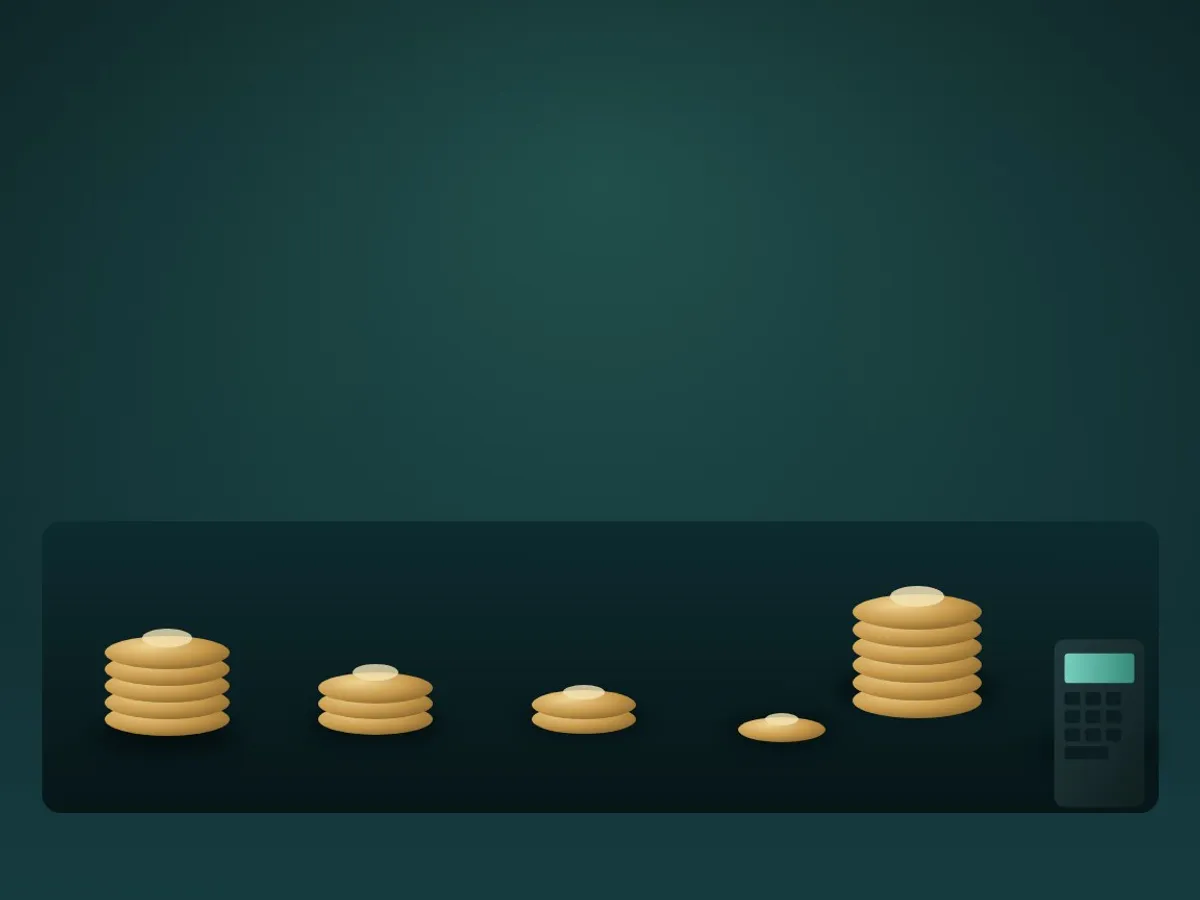
Say you buy a jacket for 60 zł, list it on Allegro Lokalnie's Kup teraz for 150 zł, and spend 3 zł on a mailer. The 7.9% fee takes 11.85 zł. What is left after the fee, packaging and buy price is 75.15 zł — the unit economics of that one jacket, not your week's total.
Why it matters when you scale
A losing unit stays a loser at any volume: buy ten more of the same item at the same numbers and you multiply the loss, not fix it. Total profit can hide this, because one strong flip can outweigh several weak ones on the same statement. Checking unit economics before restocking a line is the difference between "this category sells" and "this category sells, but only the first one made money" — the second is a category to stop buying, not scale.
Time is a separate line worth tracking if sourcing, cleaning and listing eat real hours per item; see the FAQ above for how to add it without folding it into the money-only formula.
Related terms
Unit economics sits next to a few terms worth knowing on their own. Cost of goods sold is the buy-price-and-extras part of the formula in isolation, and gross vs net margin turns the same numbers into a percentage.
Margin of safety asks how much the sale price can drop before a unit stops being profitable, and opportunity cost weighs one unit's return against what the same cash could have bought instead. All four feed the wider inventory management guide linked above.
Frequently asked questions
What does unit economics mean for a reseller?
Should my time count in unit economics?
How is unit economics different from total profit?
Sources
- Vinted UK: Our platform checked 13 Sept 2026
- Vinted Poland price list (cennik) checked 13 Sept 2026
- Allegro: jakie są opłaty na Allegro Lokalnie checked 13 Sept 2026
- OLX: Załącznik nr 8, Pakiet Ochronny checked 13 Sept 2026
See price estimates on live finds
This calculator needs your inputs. Scout estimates fair value, a fast-sell price and demand for the finds it shows you. Estimates, not guarantees.
reva estimates prices from public listings. Estimates, not guarantees.Keep reading
Inventory management for one-off resale stock: SKUs, storage, cost and listing status, sell-through and turnover, aged stock rules, shipping and returns.
21 min read
Cost of goods sold for resellers: what to include beyond the purchase price, what to leave out, a worked example and why COGS only counts items that sold.
6 min read
Free resale profit calculator: enter buy price, sale price, marketplace fees, shipping and extras to see net profit, margin and ROI in zł, euros or pounds.
7 min read