 reva
revaHow to Resell Board Games
A board game is only as good as its least visible token. Count first, then list the edition buyers are searching for.
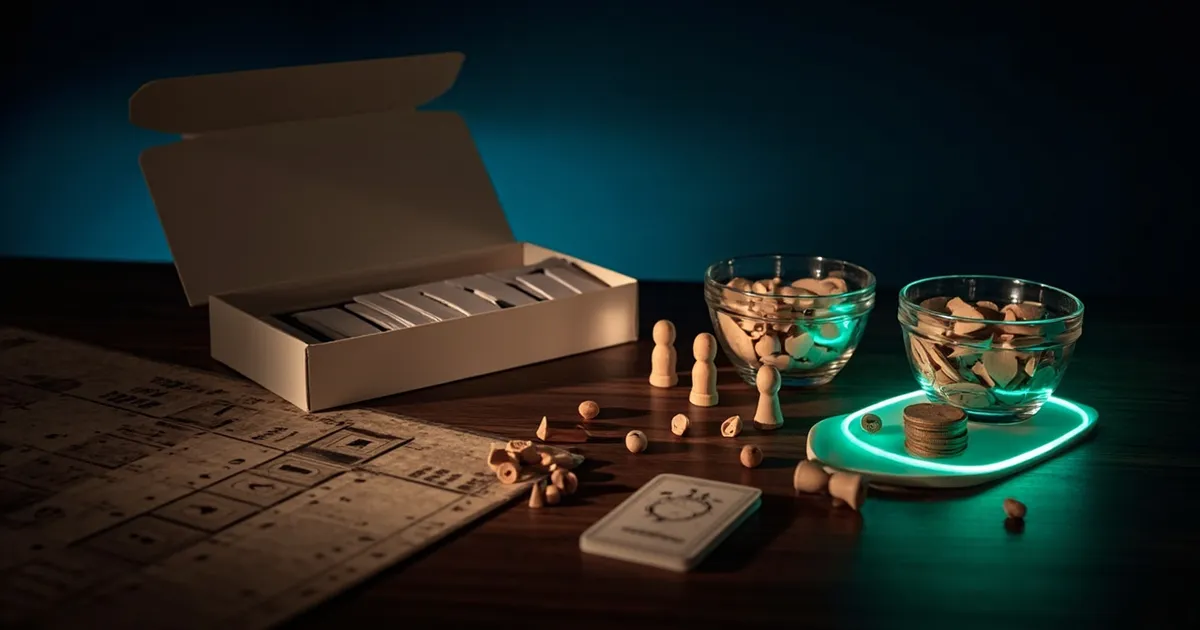
- Count every component against the rulebook's list — undisclosed missing parts trigger Vinted's SNAD policy and returns.
- Name the exact edition, publisher and language in the title; compare only same-language, same-edition listings.
- List each expansion by name in the title; test bundle versus split pricing to see which sells faster.
- Sleeves add buyer appeal but not a separate price premium — mention them as a condition plus.
Selling a used board game comes down to proving it is complete, naming the exact edition and language, and pricing it where buyers actually shop. Most sellers lose money by listing "board game, good condition" — a title that tells a buyer nothing and prices a game no one can compare.
This page covers how to count and document every component, which edition details matter, how to handle expansions and accessories, the condition factors that change price, and where to list based on what you are selling.
Count the components against the rulebook
This page is part of the resale category guides. The rulebook is your checklist. Most rulebooks include a component list on the first few pages — a numbered table of everything in the box. Use it to sort and count every piece:
- 1Rulebook component listFind the numbered list inside the rulebook cover
- 2Sort parts by typeGroup meeples, cards, tokens, tiles into separate bags or bowls
- 3Count against the listCount each type and note any missing items
- 4Photograph sorted partsLay out each group and take one clear photo
- 5Listing lineState 'complete, counted against rulebook' or list exactly what is missing
For example, a medium-weight strategy game might list: 4 wooden meeple sets (16 pieces), 1 six-sided die, 80 resource cards, 1 game board, 19 hex tiles, 1 rulebook. If your count shows 78 resource cards and no rulebook, say exactly that — "complete except 2 resource cards and missing rulebook" is more honest and less dispute-prone than "mostly complete."
Missing components that were not disclosed trigger Vinted's "significantly not as described" (SNAD) policy: the buyer can return the item and get a full refund. Vinted's UK help page specifies that undisclosed missing parts count as SNAD. State completeness honestly — it prevents disputes and builds buyer confidence.
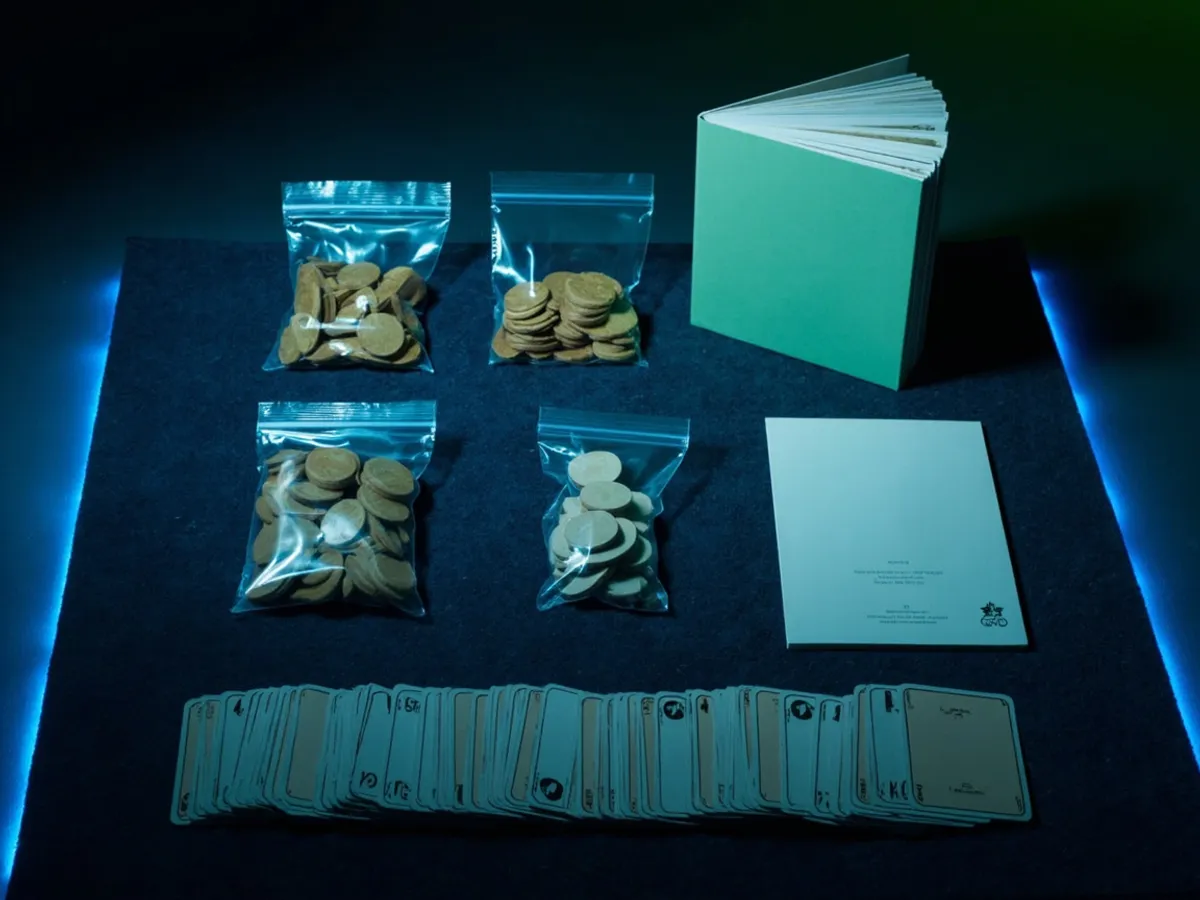
Edition and language: what to name in the listing
The exact edition matters more than most sellers realise. Two things decide the comp pool:
- Publisher and printing. A game may have three or four publishers across languages, and later printings sometimes include corrected components or rulebook updates. If your box shows a printing number or year, include it.
- Language on the box and in the rulebook. A Polish-language edition is not interchangeable with an English one — they serve different buyer pools. Name the language explicitly: "Polish first edition" or "English, 2022 printing."
BoardGameGeek is a community-run database that tracks editions and printings — you can use it to verify the exact name of your edition without making any claims about its data. Reference it as "a database for board game editions" rather than a pricing authority.
There is no published data comparing Polish and English edition prices. When you research comparables, compare only listings of the same language and similar edition. Pricing a Polish box against English listings will give you a comp pool that does not match what Polish buyers actually pay.
Expansions, promos and inserts
Every expansion should be named in the title: "Catan + Seafarers + 5-6 Player Extension" is more searchable than "Catan with some expansions." If you are selling base game and expansions together, decide whether to bundle or split:
- Bundle works when buyers want the full set and you price below the sum of separate listings minus a convenience discount.
- Split works when the base game sells quickly at a lower price point and the expansions can be priced as a separate add-on or sold to someone who already owns the base.
Third-party inserts (custom foam or plastic organizers) add listing appeal but do not command a separate price premium — they are mentioned as included rather than priced.
Condition: box, cards, sleeves and punched tokens
Four condition factors change what a buyer will pay:
- Box: corners crushed, lid split, or shelf wear all lower price. Describe the worst damage explicitly — "two corners crushed, lid intact" sets accurate expectations.
- Cards: shuffle wear, bent corners, and sun fading affect gameplay. Light play wear is normal; marked cards (visible ink or wear patterns) are a discount event.
- Sleeves: if cards are sleeved, say so — "cards sleeved in premium fit" tells buyers the cards are protected. Sleeves are a care bonus, not a price driver.
- Punched tokens: cardboard punchboards that were never punched are worth more than punched ones. If tokens are punched but unused, say "tokens punched but separated" — if punched and mixed in the bag, note that too.
No percentage uplift for condition exists in market data — price from comparable listings in similar condition rather than adding a markup. See video games resale for a similar method. For toys, the same completeness principle applies — see toys resale.
Out-of-print titles and reprints
When a game goes out of print, its price can rise — but a reprint announcement can lower prices of the older printing quickly. Before pricing an out-of-print title, check whether the publisher has announced a reprint. A reprint typically reduces the value of the older printing because buyers can wait for the new version.
Pricing out-of-print titles without comparables follows the method in pricing without comps: estimate the original retail, adjust for condition and edition, and name your price clearly so a buyer understands the logic. See pricing bundles and lots for the full bundle method.
Pricing and bundles
Bundle pricing on Vinted follows specific rules: the listing must be labelled as a bundle, and items in a bundle cannot be listed separately at the same time. Your title should say "bundle" and your description should itemise each piece.
For price research, look at three places:
- Vinted — heavy board games ship at the buyer's chosen rate; check sold listings where available.
- Allegro Lokalnie — local pickup avoids shipping costs entirely; parcel shipping through Allegro Paczkomaty InPost is 10.95 zł and Allegro One Box is 10.49 zł at the time of writing (September 2026).
- OLX — local pickup is the dominant channel for heavy items; no parcel fees if the buyer collects in person.
The logic for bundle pricing mirrors the method in LEGO resale guides — price parts separately, sum them, then apply a small convenience discount for a one-sale outcome.
For missing parts disputes, Vinted's return process treats undisclosed missing components as SNAD. The method for handling disputes is covered in Vinted returns and disputes.
Where to list: marketplace comparison
- Allegro Lokalnie is built for local pickup, which suits heavy board games — no shipping fees for either party, and the 10.95 zł InPost rate applies only if you ship. Local listings cost 0 zł, and the 7.9% fee applies only when the item sells and the buyer pays within 72 hours or fills in the delivery form.
- Vinted lets the buyer choose shipping at checkout — you do not control the rate. Heavy games can eat into your margin if the buyer selects an expensive courier.
- OLX is dominated by local pickup for large items — describe the game fully and meet in person.
Frequently asked questions
How do I check a used board game is complete?
Is a Polish edition worth more than an English one in Poland?
Should expansions be sold with the base game?
Do sleeved cards add value to a board game?
Sources
- Vinted UK help: significantly not as described items checked 13 Sept 2026
- Vinted UK catalog rules for bundles checked 13 Sept 2026
- Allegro Lokalnie fees checked 13 Sept 2026
Analyze an item with reva
Open any find and see its five-level price ladder, demand score and price confidence, built from comparable items that left the market. Estimates, not guarantees.
reva estimates prices from public listings. Estimates, not guarantees.Keep reading
What sets the price, the main risk and the best selling channel for each category of used items, from phones and LEGO to jackets, with a guide for each one.
17 min read
Reselling physical video games: check the region and edition, the case and manual, used download codes and disc condition, then decide on singles or lots.
8 min read
Reselling toys beyond LEGO: check parts and accessories, look up safety recalls, clean without damage, build themed bundles and pick the right Polish channel.
6 min read