 reva
revaHow to Sell a Used Guitar (and Amp)
Guitarists buy with their hands. A clean setup, a readable serial and honest notes on frets and electronics do most of the selling.
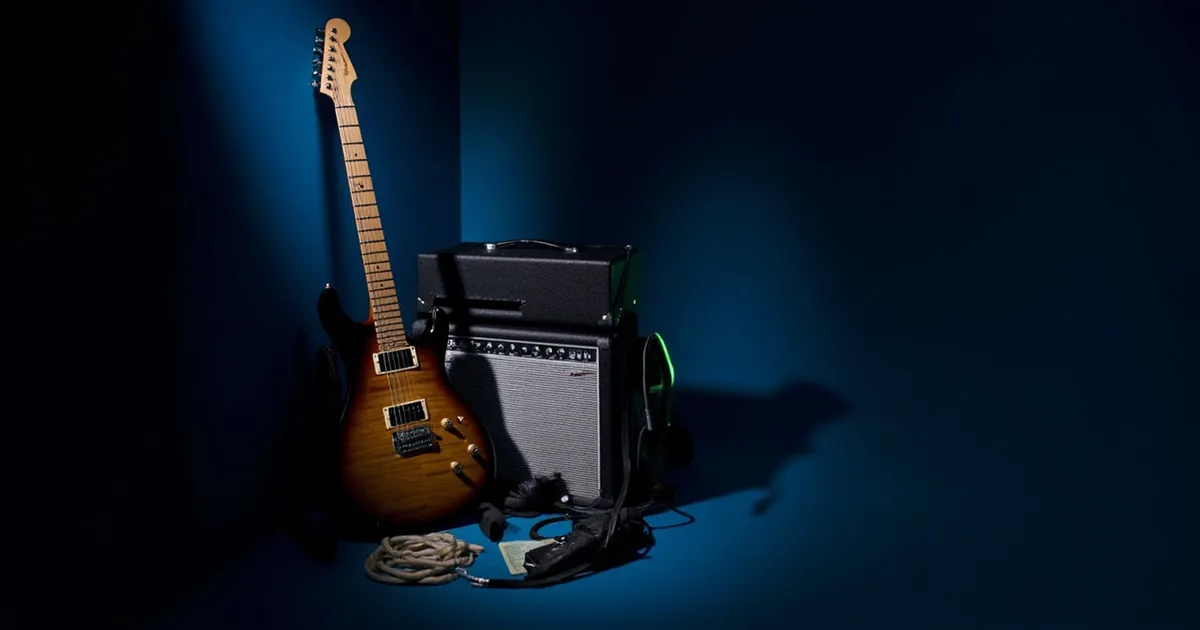
- Use the maker's official page to find the serial number, and don't date the instrument from the serial alone — dating rules have overlaps and exceptions.
- Check the neck, frets, electronics and hardware yourself before listing: buyers will do the same, and a known issue is a negotiation point, not a surprise.
- Fresh strings and a basic setup make the playing test smooth — a guitar that plays well sells faster.
- Pack for the headstock: neck support, loosened strings, hard case or guitar box. Soft bags break in transit.
- Prefer local pickup for valuable instruments — an accepted OLX claim sends the item back at your cost, and a broken headstock in shipping is costly.
Selling a used guitar or amp starts with two things every buyer checks first: what it is, and whether it works. The serial number proves the maker and model. A quick play test proves it plays. Get those right, and the price becomes a conversation instead of a negotiation from suspicion.
This page is part of the resale category guides — each guide covers a specific product type, from electronics to instruments. This guide covers how to identify the instrument from serial numbers, the checks buyers perform on neck and electronics, why a basic setup matters before photos, and the shipping-or-pickup decision with OLX rules.
Finding the serial number and identifying the instrument
The serial number tells a buyer the maker, and sometimes the year and origin. Fender documents their locations on their support site: on most electric guitars and basses it is on the back of the headstock or on the neckplate; on acoustic guitars it is inside the sound hole; on amplifiers it is on the back of the cabinet or chassis. Other makers differ — check the specific brand's support page.
Do not treat the serial as a dating tool. Even Fender's own history has overlaps and exceptions, and other makers' serial systems vary widely. The serial identifies the instrument; for the year, look for a date on the label inside the sound hole on acoustics, or ask the maker directly if the year matters for your pricing.
The checks buyers make: neck, frets, electronics, hardware
A serious buyer will check four things before considering a purchase. Check them yourself first and note what you find in the listing:
- Neck: sight down the neck from the headstock toward the body — it should be straight or have only a slight forward bow
- Frets: look for worn spots, rust, or uneven height; play each fret to check for buzz
- Electronics: turn every knob and flip every switch — no crackle, pops, or static
- Hardware: tune machines, bridge, and jack input all work smoothly
If something needs attention, say so plainly. A truss rod adjustment is not a DIY job — recommend a qualified technician if the neck needs work.

Setup and strings before photos
Fresh strings and a basic setup do not add a specific price premium, but they change how the listing performs. A guitar that plays well and looks ready to go passes the playing test on collection, which is where most sales succeed or fail.
A basic setup means: strings recent enough to hold tune, action adjustable to a playable height, and the intonation checked at the 12th fret. This takes a few minutes with basic tools and lets you honestly say "plays great" in the listing. The product photos that sell guide covers the photo angles that matter — the hardware, the headstock, the frets, and the electronics jacks.
Amps and pedals: what to test and what to leave
For amplifiers, power the unit on and work through every channel and control. Turn every knob, engage every feature, and listen for any crackle, hum, or distortion that does not clear when you move the control. Test the footswitch if one is included. If the amp makes any sound it should not, note it honestly.
Never open an amplifier to inspect or repair it. The voltages inside an amp are dangerous, and capacitors can hold a charge even after it is unplugged. Leave any internal repairs to a qualified technician. If it needs work, say so and price accordingly.
Pedals are simpler: power each one on, engage the bypass and the effect, and listen for noise or intermittent operation. If a pedal is noisy or dead, price it as parts or list it as not working.
Pricing against comparable listings
Price from listings of the same maker, model, series or origin, and condition. Search OLX, Vinted and Allegro Lokalnie for your exact model and build. If you cannot find exact matches, look one step up and down in the model line.
A hard case adds value qualitatively — buyers factor it into the price even if it does not show as a separate number. The pricing by condition guide covers how to position your listing against comparables that are pristine, player-grade, or showing wear.
Local pickup or shipping
For valuable instruments, local pickup is the safer path. The buyer can test the guitar before paying, and you avoid shipping damage. On OLX, private users get 10 free listings in the Instrumenty category at the time of writing — more than enough for a single sale.
If you ship, use OLX delivery with Pakiet Ochronny. The buyer has 48 hours after pickup to file a claim; the seller has 120 hours to respond, and OLX decides within 30 days. An accepted claim means the item returns at the seller's cost. A broken headstock in transit is expensive to repair and creates a dispute that is difficult to win.
- 1Instrument is high value or fragile?If yes: prefer local pickup with a play test
- 2Have a hard case or guitar box?If yes: ship with neck support and padding
- 3No case available?Sell locally or get a guitar box from a music shop
Pack the guitar with the neck supported by foam, strings loosened slightly to reduce headstock tension, and padding around the headstock itself. The marketplace shipping rules guide has the full packing method.

Red flags: stolen instruments
Some listings are too good to be true. Watch for these warning signs:
- Seller cannot play the instrument or explain the model
- Serial number is removed, scratched off, or unreadable
- Price is well below market for no clear reason
- No case, no accessories, no original packaging
- Seller is evasive about where they got the instrument
A seller who cannot explain basic facts about what they are selling is a red flag. The reselling risk guide covers how to protect yourself from stolen goods in the broader resale market.
Selling used guitars and amps comes down to honest identification, a working instrument, and a clear handoff. Price from real comparables, test everything yourself, and choose pickup over shipping for anything worth more than a few hundred złoty. If you sell other categories, the vinyl records resale guide follows a similar method — identify the exact pressing, check condition, and prefer local pickup for valuable items.
Frequently asked questions
Where is the serial number on an electric guitar?
Should I restring or set up a guitar before selling it?
How do I ship a guitar without breaking the headstock?
What should I check on a used amp before listing it?
Sources
- Fender support: Where can I find my serial number checked 14 Sept 2026
- OLX Annex 3: listing limits (effective 7 Jan 2026) checked 13 Sept 2026
- OLX Pakiet Ochronny terms (Annex 8, V20) checked 13 Sept 2026
Analyze an item with reva
Open any find and see its five-level price ladder, demand score and price confidence, built from comparable items that left the market. Estimates, not guarantees.
reva estimates prices from public listings. Estimates, not guarantees.Keep reading
What sets the price, the main risk and the best selling channel for each category of used items, from phones and LEGO to jackets, with a guide for each one.
17 min read
How to sell vinyl records in Poland: identify the pressing, grade the vinyl and the sleeve on the Goldmine scale, play-test, pack records flat and price them.
7 min read
Shipping deadlines on Vinted, OLX and Allegro Lokalnie: how long you have to send, what late dispatch costs, return pickup windows and Lokalnie parcel prices.
8 min read