 reva
revaHow to Measure Clothes for Vinted (So Buyers Trust the Size)
The five measurements that answer most size questions, taken flat, photographed and written the same way every time.
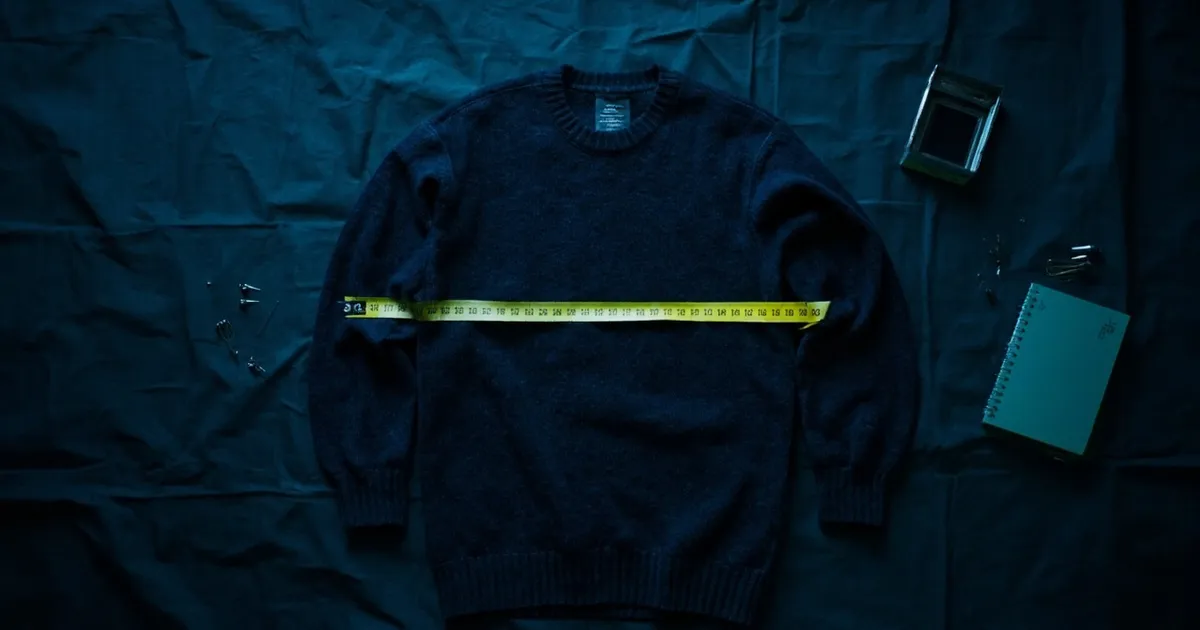
- Measure every garment flat and state that it is flat — buyers compare flat measurements to their own clothes.
- Include pit to pit, length, shoulder and sleeve for tops; add waist, rise, inseam and leg opening for bottoms.
- Write measurements in centimetres first, with inches in brackets if needed.
- Accurate measurements reduce wrong-size disputes, but 'doesn't fit' is not a SNAD reason on Vinted.
- Vinted does not publish an official measuring guide — the methods here are common resale practice.
Accurate measurements help buyers trust the size and reduce wrong-size disputes. On Vinted, the size tag alone is not reliable — brands size differently across eras and markets, and Vinted's November 2025 change to women's size display means a UK 16 now shows as L instead of XXL on many listings. This page covers which measurements to take for each garment type, how to measure flat correctly, and how to include them in your listing.
For a complete guide to selling on Vinted, see the Vinted reseller guide.
Why measurements matter more than the size tag
The size on the tag is not enough. Different brands label the same garment differently — a size M from Zara is not the same as a size M from H&M. Vintage clothes often use sizing standards that no longer exist. Vinted's help page on significantly not as described (SNAD) items lists "incorrect size" as a valid claim reason, but "doesn't fit" or "I don't like it" is not SNAD. This means a buyer can open a dispute if the size you listed does not match the tag, but they cannot claim simply because the fit did not suit them.
Vinted changed how women's sizes display in the UK in November 2025. A UK 16 that previously showed as XXL now appears as L, and M now shows as "M / UK 12-14" instead of "M / UK 10". Vinted advises sellers to review their active listings and add the exact size-tag details in the description. Measurements do not change when the display changes — they are the one thing that stays accurate regardless of how Vinted shows sizes. For EU, UK and US size conversion, see Vinted size conversion.
Vinted has a seller-provided measurements field in some categories and countries, but it does not appear everywhere. The help page shows fields such as shoulder width and length with a note that buyers should ask the seller for more details if needed. Since we could not confirm exactly where and how this field appears on Vinted Poland (vinted.pl), include your measurements in the description text anyway — it works in every country.
Tools and the flat-lay method
You need a soft tape measure in centimetres, a flat surface, and a few pins if the fabric slips. No official Vinted guide exists on how to take garment measurements, so the methods below are common resale practice.
Lay the garment on a flat surface — a table covered with a towel or a bed works well. Button all buttons on shirts and jackets. Do not stretch the fabric smooth; let it rest naturally. Measure across a single layer only. State clearly in your listing that measurements are taken flat, for example "measured flat" or "flat measurement".

Tops, shirts and knitwear
For T-shirts, blouses, shirts and sweaters, measure these four points:
- Pit to pit — from one armpit seam to the other, straight across the chest
- Length — from the shoulder seam (where the sleeve starts) down to the hem
- Shoulder width — from one shoulder seam to the other, across the back
- Sleeve — from the shoulder seam to the end of the sleeve, or to the wrist
Knitwear can stretch when worn, so measure it without pulling the tape. If the fabric is thick, gentle compression is fine — just note "measure taken with light compression" if you do.
Trousers, jeans and skirts
For trousers and jeans, measure these five points:
- Waist flat — lay the waistband flat and measure across, from edge to edge
- Rise — from the crotch seam to the top of the waistband
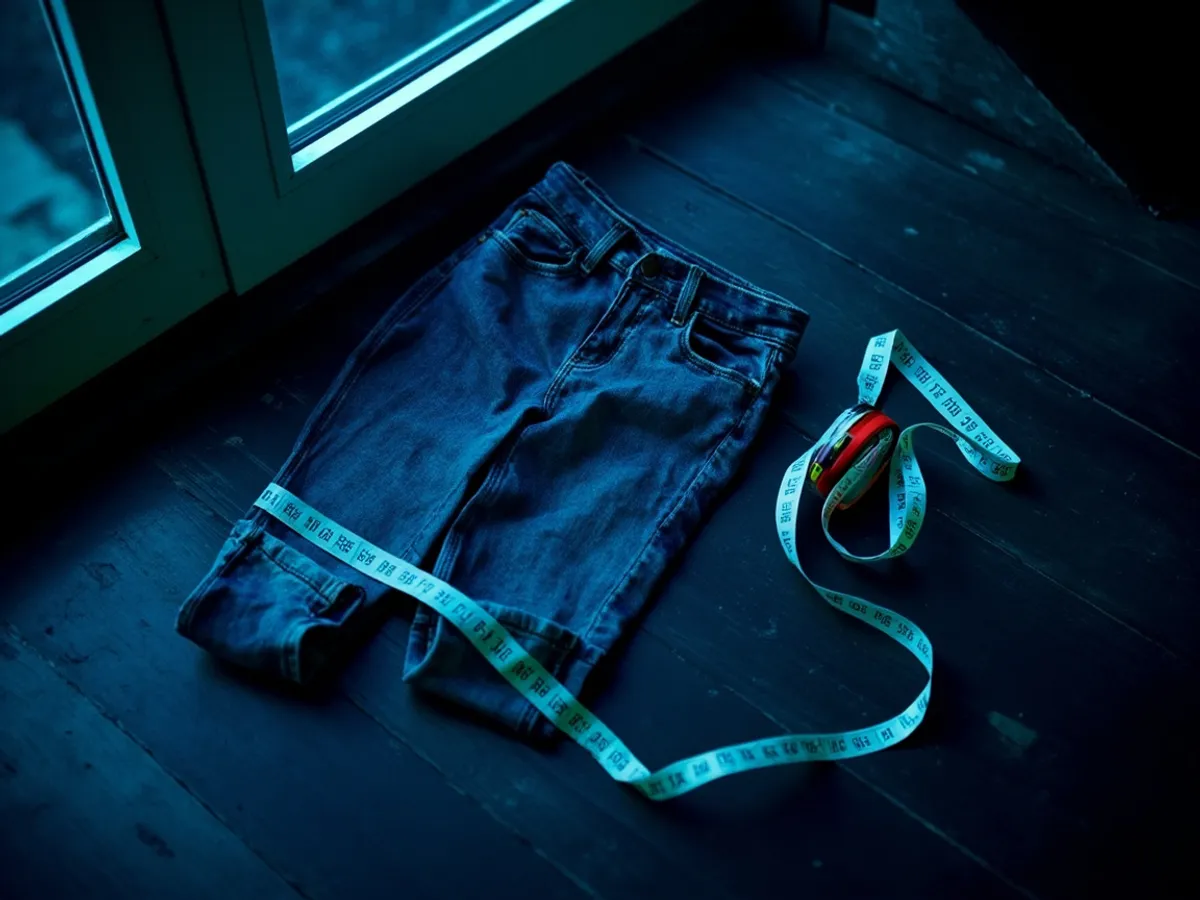
- Inseam — from the crotch seam down to the hem, along the inner leg
- Hip — measure across the widest part of the seated position
- Leg opening — the width of the leg at the hem
For skirts, the waist and length are the most important. Add hip measurement if the skirt is A-line or flared.
Dresses, coats and jackets
For dresses, include chest (pit to pit), waist (if defined), length and sleeve. For coats and jackets, always measure buttoned — do not button tightly, but do them up so the measurement reflects how the garment closes. Measure:
- Chest — pit to pit across the front, with buttons done up
- Waist — across the narrowest part, or the point where the belt sits
- Length — from the highest shoulder point (not the collar) to the hem
- Sleeve — from the shoulder seam to the end of the sleeve
Photographing the tape and writing it up
Take at least one photo with the tape visible across the garment. This proves the measurement is real and helps buyers visualise the size. Place the tape straight across the chest for tops, or along the inseam for trousers. The tape does not need to be perfectly horizontal — what matters is that the number is readable.
In the description, add a measurements line in the same position every time — buyers expect it in a consistent place. Write measurements in centimetres first, with inches in brackets only if your audience is likely to expect them (mostly UK listings).
- Measured flat: waist flat, rise, inseam, leg opening
- Original tag shows size but fits differently
Vinted's Catalogue Rules require the condition to be stated and any defects described. Your measurements line is part of the description, so include it there — do not rely on the measurements field alone since it does not appear for all sellers.
For tips on taking photos that sell, see product photos for resale.
Common measuring mistakes
These errors cause confusion and can lead to disputes:
- Doubling without saying so — if you measured around the waist, write "waist (doubled)" or "waist around" in the description. A flat waist is not the same as a doubled waist.
- Stretching knitwear — a sweater stretches when worn. Measure without pulling the tape, or note that the measurement is taken with light stretch.
- Mixing inches and centimetres — Vinted's European sites expect centimetres. Write centimetres first, with inches in brackets only if needed.
- Forgetting shrinkage — vintage clothes may have shrunk. Note the condition and any potential shrinkage if you are unsure.
If you are unsure whether a measurement is worth including, add it — more information helps buyers decide.
What happens if a buyer opens a dispute? See Vinted returns and disputes for the process.
Once you have the measurements right, the next question is pricing. reva Scout estimates a fair value and a fast-sell price from comparable items that left the market.
For a ready-to-use description template with a measurements line, see Vinted listing template.
Frequently asked questions
Which measurements should I add to a Vinted listing?
How do I measure pit to pit?
Should I measure clothes laid flat or doubled?
Do measurements protect me if the buyer says it does not fit?
Sources
- Vinted UK help: Significantly Not As Described items checked 13 Sept 2026
- Vinted UK help: Guide to clothing size system updates checked 14 Sept 2026
- Vinted help: Measurements checked 14 Sept 2026
- Vinted UK Catalogue Rules checked 13 Sept 2026
Prepare listings in reva
Early access: reva recognises brand, model and size, suggests a price from the ladder and prepares listing drafts that you review and publish yourself.
reva estimates prices from public listings. Estimates, not guarantees.Keep reading
Vinted for resellers: fees by country, pricing without a sold filter, sourcing, bumps, bots and relisting rules, Pro accounts, shipping, disputes, DAC7.
26 min read
How sizes work on Vinted across EU, UK and US labels: the November 2025 women's size change, why conversion charts disagree and what to write instead.
4 min read
A copy-and-fill Vinted description template for clothes, shoes and home items, with lines for size, measurements, flaws and shipping that prevent claims.
5 min read