 reva
revaHow to Sell Collectible Coins
Coins are small, easy to post and easy to fake. Identify the issue, leave the patina alone and check which platform will take them.
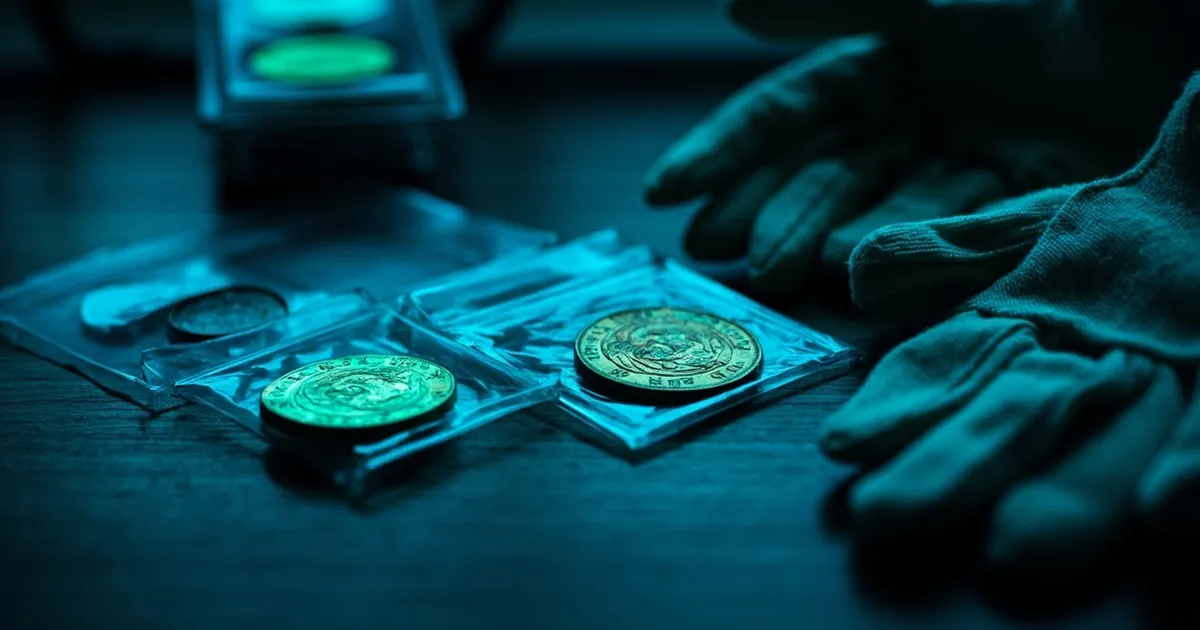
- Coins fall into three categories — circulation, collector and bullion — each with different buyers and platform rules.
- Never clean a coin before selling; collectors value original condition and patina as signs of authenticity.
- Vinted Poland allows most coins unless classified as cultural heritage; Allegro.pl bans gold and silver bars except pre-1800 collectible gold.
- Graded slabs (PCGS, NGC and similar) add trust and can justify a higher price for valuable coins.
- Price rare coins against identical issues in the same condition; thin comparables mean slower sales and wider price ranges.
Selling collectible coins starts with knowing which type you have and which platforms actually allow it. Vinted Poland, Allegro and OLX each have different rules — and breaking them means your listing disappears.
This page covers the three coin types, how to identify and describe yours honestly, why cleaning destroys value, how to spot fakes, and where to actually sell each category. It is part of our broader resale category guides collection.
Three types of coins — three markets
Not all coins sell the same way. The market splits into three groups:
- Circulation coins — everyday coins that were used as money. Some are valuable because of errors, rare years or metal content. Buyers are collectors who search for specific dates and mint marks.
- Collector coins — issued specifically for collecting, often by national mints. The Polish National Bank (NBP) issues collector coins; the specific rules for selling NBP issues were not publicly confirmed at the time of writing.
- Bullion coins — minted for precious metal content (gold eagles, silver maples, Krugerrands). Buyers want the metal, not the design. Platforms treat them differently than collector coins.
Knowing which group your coin belongs to decides where you can list it and who will buy it.
Identify the coin: country, year, mint, issue
Before you list, read the coin yourself. Photograph both sides clearly.
- Country of origin and currency system
- Year of minting (look for it on the coin)
- Mint mark (if any — a small letter or symbol showing where it was produced)
- Issue — was it a regular circulation strike or a special collector release?
Community catalogues exist for most countries, but specific catalogue claims without a source are unreliable. Describe what you can verify from the coin itself. If you cannot identify it, say so honestly — a knowledgeable buyer will ask clarifying questions.
Condition: raw versus slabbed
A coin in its original state is called raw. A coin sealed in a plastic holder with a grade is slabbed. Grading services (PCGS, NGC, CACG, ANACS, ICG) authenticate the coin and assign a condition grade.
eBay's US Authenticity Guarantee programme accepts only coins graded by PCGS, NGC, CACG, ANACS or ICG when the sale price is 500 USD or more. That tells you which graders are recognised worldwide. The same slab-and-grade logic applies to trading cards — see the trading cards resale guide for details.
For valuable raw coins, consider getting a slab before listing. The cost of grading is often recovered in a higher sale price because buyers trust the grade.
Never clean a coin
Leave every coin exactly as you found it. Cleaning is one of the most common mistakes sellers make, and collectors can spot cleaned coins immediately.
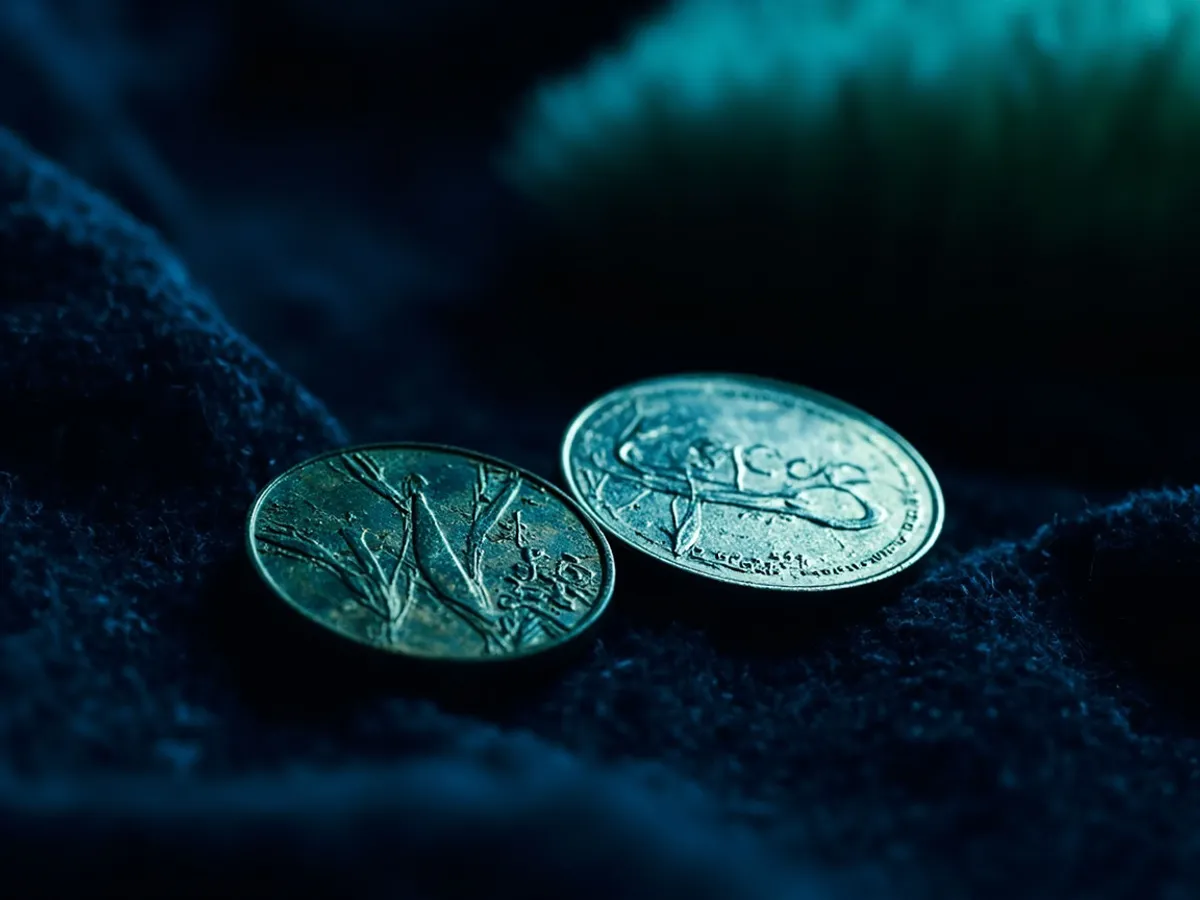
Why? Cleaning scratches the surface, removes natural toning that collectors call patina, and can erase tiny details that prove the coin is genuine. A coin that looks "dirty" to you may be worth more to a buyer who values original condition.
This advice comes from common collector practice — no single authority publishes it, but the consensus is strong enough that reputable dealers and numismatists repeat it. If you are uncertain about a coin's condition, ask a numismatist before attempting any cleaning.
Fakes, copies and authentication
Fake coins exist, especially for famous issues and high-value metals. Three checks help you spot problems:
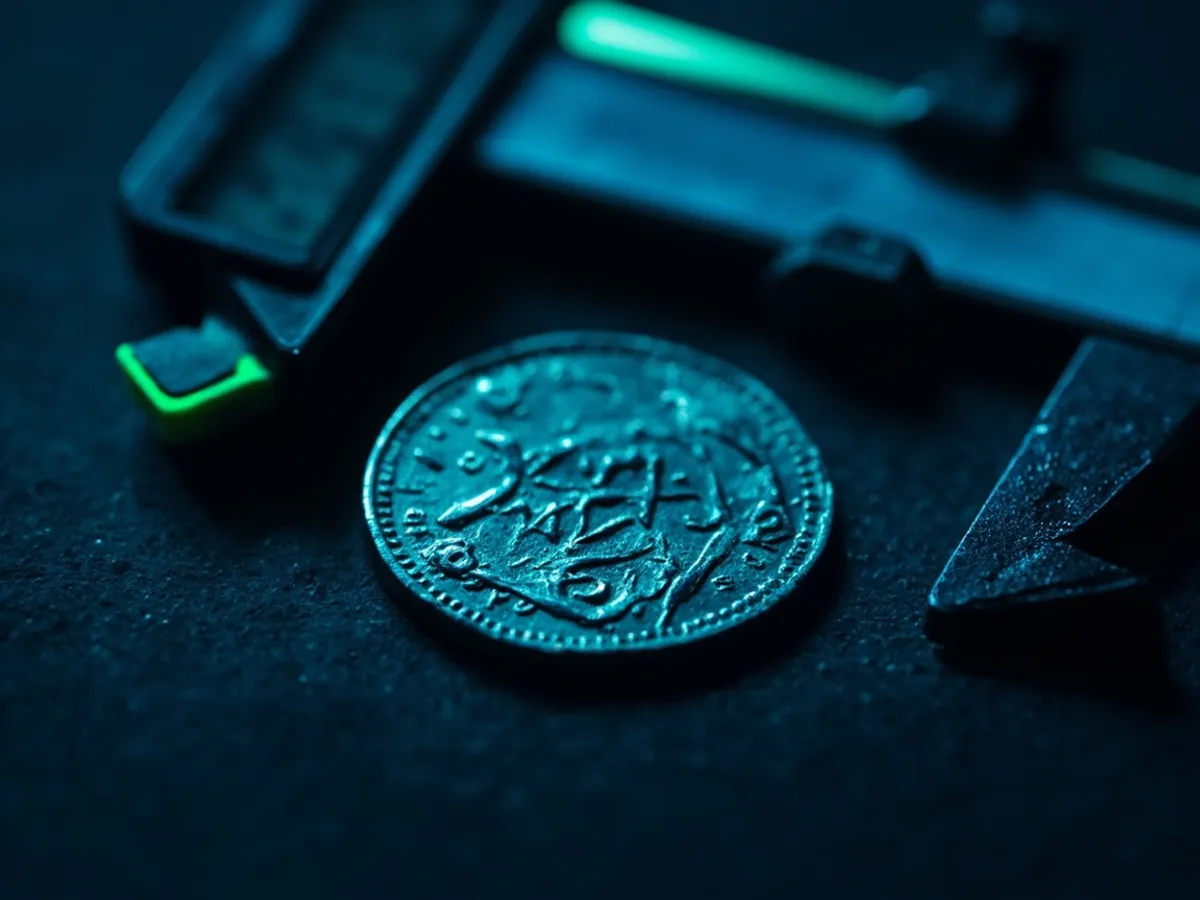
- Weight and diameter. Compare your coin against catalogue data for its issue. A significant deviation suggests a fake or a different coin entirely.
- Price too good. If a coin with a scarce date appears at a fraction of its known value, assume it is fake until proven otherwise.
- Slab verification. Graded slabs can be faked too. Most major graders (PCGS, NGC) offer online verification tools — check the certification before you buy or sell.
For more detail on authentication, see the authentication checklist.
Where to sell: platform rules
Platforms in Poland treat coins differently. Use this comparison to pick the right one:
| Vinted PL | Allegro.pl | OLX | |
|---|---|---|---|
| Common circulation coins | allowed | allowed | allowed |
| Collector coins (non-heritage) | allowed | allowed | allowed |
| Gold bullion coins | not stated | prohibited (except pre-1800 collectible gold) | allowed |
| Coins classified as cultural heritage | prohibited | not stated | allowed |
Vinted Poland allows most coins unless they fall under cultural heritage protection. The rule does not give a clear list — you must judge whether your coin might be protected.
Allegro.pl bans gold bars, gold coins and silver bars. The exceptions are collectible gold coins minted before 1800, items in Allegro's Collector's Zone programme, and scrap metal. The policy for Allegro Lokalnie is not publicly stated.
OLX puts coins in the Antyki i Kolekcje (antiques and collectibles) category. Private sellers get 20–30 free listings per month in this category, with no obvious platform restrictions on coin types.
If you want a quick estimate of what your coins might sell for on Vinted, OLX or Allegro Lokalnie, Scout shows a price ladder from comparable items that left the market, with price confidence indicators for rarer issues.
Pricing and selling a collection
When you have several coins, price each one against identical issues in the same condition. Use these steps:
- Search for the exact same coin (same year, same mint mark, same variety)
- Filter by condition matching yours
- Compare asking prices, not sold prices — sold data is thin for rare coins
For rare coins with few comparables, see pricing without comparables. The method works well for numismatic items where market data is sparse.
If you have valuable individual coins, auction houses are an option. Catawiki charges sellers 12.5% of the sale price plus a fixed amount, excluding VAT. That fee is higher than most marketplaces but reaches serious collectors.
Other collectible categories follow similar patterns. If you also sell jewellery, see the jewellery resale guide. For Polish PRL-era items, the PRL design resale covers that niche.
Frequently asked questions
Should I clean old coins before selling them?
Can coins be sold on Vinted?
Can gold coins be listed on Allegro?
Are coins graded in slabs easier to sell?
Sources
- Vinted Poland Catalogue Rules checked 14 Sept 2026
- Allegro — what cannot be listed checked 14 Sept 2026
- eBay Authenticity Guarantee for coins checked 13 Sept 2026
- Catawiki seller fees checked 13 Sept 2026
- OLX Poland — free listing limits by category checked 13 Sept 2026
Analyze an item with reva
Open any find and see its five-level price ladder, demand score and price confidence, built from comparable items that left the market. Estimates, not guarantees.
reva estimates prices from public listings. Estimates, not guarantees.Keep reading
What sets the price, the main risk and the best selling channel for each category of used items, from phones and LEGO to jackets, with a guide for each one.
17 min read
How to sell used jewellery in Poland: read fineness numbers and Polish hallmarks, weigh scrap against piece value, avoid plated fakes and hand over safely.
6 min read
Selling PRL-era porcelain, figurines and glass: photograph the marks, check chips and repairs, beware reissues, price without comparables and pack well.
7 min read