 reva
revaHow to Sell PRL-Era Porcelain and Glass
Polish mid-century design sells to collectors who look at the base first. Show the mark, show every chip, and do not guess the year.
- No public source confirms PRL factory mark dating — photograph the base and ask a factory, museum or specialist instead of dating a mark from a forum list.
- A chip or repair doesn't erase the value, but it moves the piece to a different, honestly disclosed comp pool — never a flat percentage discount.
- Reissues and copies exist for some popular figures; without a verified original to compare against, list the piece as 'unverified' rather than 'original'.
- With few or no comparables, price cautiously and say so — a rare piece is a low-confidence estimate, not a guess dressed up as a number.
- OLX's Antyki i Kolekcje gives private sellers mostly 20-30 free listings; Allegro Lokalnie is 0 zl for local sales and 7.9% for Kup teraz and auctions (at the time of writing, September 2026).
Selling PRL-era porcelain and glass starts at the base, not the price tag: photograph the factory mark straight on, check for chips, crazing and hidden repairs under a strong light, and treat any figure or mark you cannot verify as unverified rather than dated from a forum post. This page covers what actually counts as PRL design, how to photograph and honestly describe a mark, disclosing damage, spotting later reissues, pricing without clear comparables, packing fragile pieces, and where Polish sellers list them.
What counts as PRL design
"PRL design" covers porcelain figurines, tableware, ceramics and pressed or cut glass made during the Polish People's Republic era, roughly 1945-1989 — a historical frame, not a dating method for any single piece. It spans mass-produced tableware alongside more distinctive figurines and vases, and pieces range from ordinary to genuinely sought after by collectors.
Well-known Polish porcelain and glass makers of the period, including Cmielow, Wloclawek and Zabkowice among others, come up often in this category. Treat their names here only as examples of known makers — this page does not attempt to date a specific piece or attribute a designer. For the wider method behind pricing and listing second-hand items, the category guides hub covers the same approach across other collectibles.
How to photograph and describe factory marks
Turn the piece over and photograph the base straight on, in even light, close enough to show the mark clearly. Describe what you actually see — the mark's colour, whether it's stamped, painted or impressed, and its rough shape — rather than naming a factory or guessing a date.
No public factory or museum source confirms how to date Cmielow or other Polish marks by their colour, shape or placement. Forum lists are not verified sources. Instead: photograph the mark clearly, describe it plainly in the listing, and if you need a real answer on age or maker, contact the factory directly (if it still operates), a museum with a Polish design collection, or a specialist dealer — and quote their response in your listing with the date you asked.
Chips, cracks, restoration and crazing
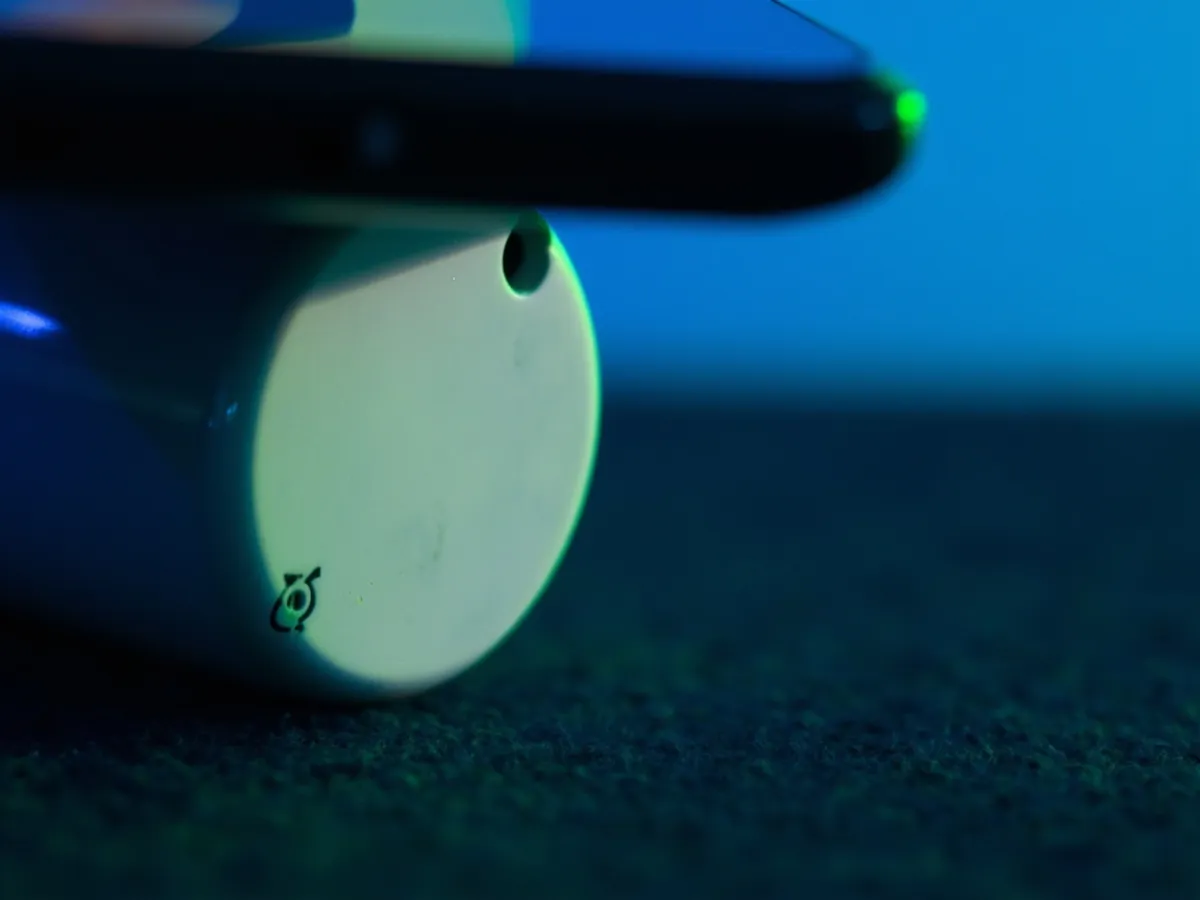
A tap test (a clean piece rings; a cracked one sounds dull) and a UV torch (glue and some restoration paint fluoresce differently from the original glaze) are common checks sellers use before listing, though neither is an official grading method — they're a first pass, not proof.
Every flaw needs its own close-up photo and its own sentence in the description:
- Every chip, however small, with a close-up photo of the exact spot
- Restoration, glued repairs or overpainting, even where it's hard to see
- Crazing (fine cracks across the glaze) on every sides, not just the one in your main photo
- Any missing or replaced part — a stopper, a lid, a lustre finish worn through
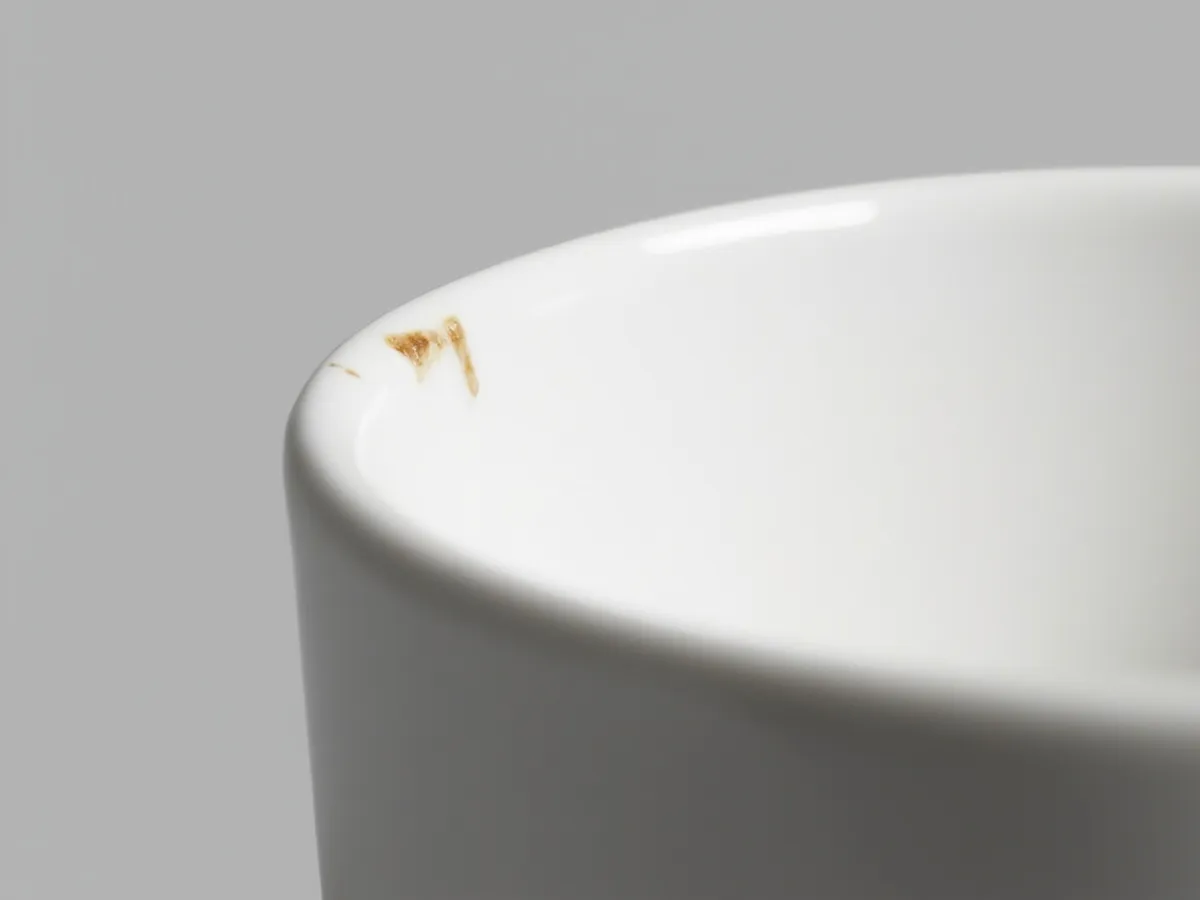
Vinted's UK help page lists undisclosed damage among the things that count as significantly not as described, alongside a piece that doesn't match its photos or description. A damaged piece is not a lesser version of the same listing — it sells to a different buyer, at its own honestly comped price, never as a flat percentage knocked off a clean comparable.
Originals, later reissues and copies
Some Polish factories reissued popular figures later, and copies of well-known pieces exist in the market. Without a confirmed source on which specific figures were reissued, use this method: compare the mark, the glaze finish and the weight of your piece against a verified original — one you've seen in person, in a museum, or in a specialist's confirmed reference, not a random listing photo. If you cannot make that comparison, describe the piece as "unverified" rather than calling it an original or naming it a reissue. An honest "unverified" listing keeps you out of a dispute; a confident guess that turns out wrong does not.
Pricing without clear comparables
Price against the same piece: same mark, same pose or pattern, same condition band. A "similar" figure in a different colourway or a vase in a different size is not a comparable — it prices a different object.
Say you have a common figurine with a small chip on one ear, and you find three recent comparables in the same pose and a similar chip: that trio is your comp pool, and their median is your starting point, adjusted down slightly if your chip is more visible than theirs. Pricing without comparables covers the method in more depth for any category where matches are thin.
The fewer comparables you find, the less confidence you should put in any number — say so in your notes rather than pricing a rare piece as if it were common.
Packing fragile pieces
Porcelain and glass travel badly in a single box. Double-box every piece: wrap it individually, place it inside a smaller box with padding on all sides, then set that box inside a larger one with more padding filling the gap. Protect anything that sticks out — ears, tails, handles, spouts — with extra wrap of its own, since those are the points that snap first.
For OLX deliveries specifically, an accepted Pakiet Ochronny claim means the buyer returns the item through OLX's own return process at the seller's cost — one more reason a solid pack that survives the trip both ways matters more than a fast one. Marketplace shipping rules covers packing method and carrier rules for fragile items across platforms.
- 1Inspect in daylightA tap test and a UV torch, if you have one, are a first pass for repairs and crazing
- 2Photograph the base mark and every flawStraight-on, even light; close-ups of chips, cracks and repairs
- 3Research with a factory, museum or specialistNot a forum list — see 'Marks' above
- 4Price against the same piece and conditionOr mark it 'few comparables' and price cautiously
- 5Double-box for shippingWrap each piece, fill voids, protect ears, handles and spouts
Channels: OLX, Allegro Lokalnie, Allegro and auction houses
OLX's Antyki i Kolekcje category gives private sellers mostly 20-30 free listings a month, depending on the subcategory, which covers most people selling a handful of pieces from a household. Allegro Lokalnie charges nothing for a local listing and 7.9% only when a Kup teraz purchase or auction is paid within 72 hours or through the delivery form — useful context alongside furniture resale and jewellery resale, two other categories where local pickup often beats shipping.
For a wider commercial audience, allegro.pl's own Kolekcje i sztuka category charges sellers 3-14% net depending on subcategory — context only, since reva does not read allegro.pl. Specialist auction houses are a route for genuinely rare or higher-value pieces: Catawiki, as one example, charges sellers 12.5% of the sale price plus a fixed amount, excluding VAT. Collectible coins resale walks through the same auction-house trade-off, and Allegro Lokalnie vs OLX compares the two platforms reva actually supports for buying and selling locally.
- Common pieces in good condition: OLX Antyki i Kolekcje or a single Allegro Lokalnie listing
- Common pieces with damage: a local lot, priced and disclosed as damaged
- Rare or sought-after pieces: a specialist auction house, with every flaw disclosed up front
- Anything you cannot verify: describe it as unverified, wherever you list it
Frequently asked questions
How do I read the factory mark on PRL porcelain?
Does a small chip ruin a porcelain figurine's value?
How can I tell an original from a reissue?
Where do collectors of Polish design buy?
Sources
- OLX: Zacznik nr 3, limity ogloszen (od 7 stycznia 2026) checked 13 Sept 2026
- OLX: Zacznik nr 8, Pakiet Ochronny checked 13 Sept 2026
- Allegro: fees for sellers checked 13 Sept 2026
- Allegro: jakie sa oplaty na Allegro Lokalnie checked 13 Sept 2026
- Catawiki: How does selling on Catawiki work checked 13 Sept 2026
- Vinted UK help: Significantly not as described items at Vinted checked 13 Sept 2026
Analyze an item with reva
Open any find and see its five-level price ladder, demand score and price confidence, built from comparable items that left the market. Estimates, not guarantees.
reva estimates prices from public listings. Estimates, not guarantees.Keep reading
What sets the price, the main risk and the best selling channel for each category of used items, from phones and LEGO to jackets, with a guide for each one.
17 min read
How to sell used furniture: which pieces resell, how to price against local comparables, what photos buyers need, and how to handle pickup without chaos.
7 min read
How to sell used jewellery in Poland: read fineness numbers and Polish hallmarks, weigh scrap against piece value, avoid plated fakes and hand over safely.
6 min read