 reva
revaHow to Sell Used Jewellery in Poland
585, 750, 925 and a tiny head stamp tell you more than the seller's story. Read the marks, then decide: piece or metal.
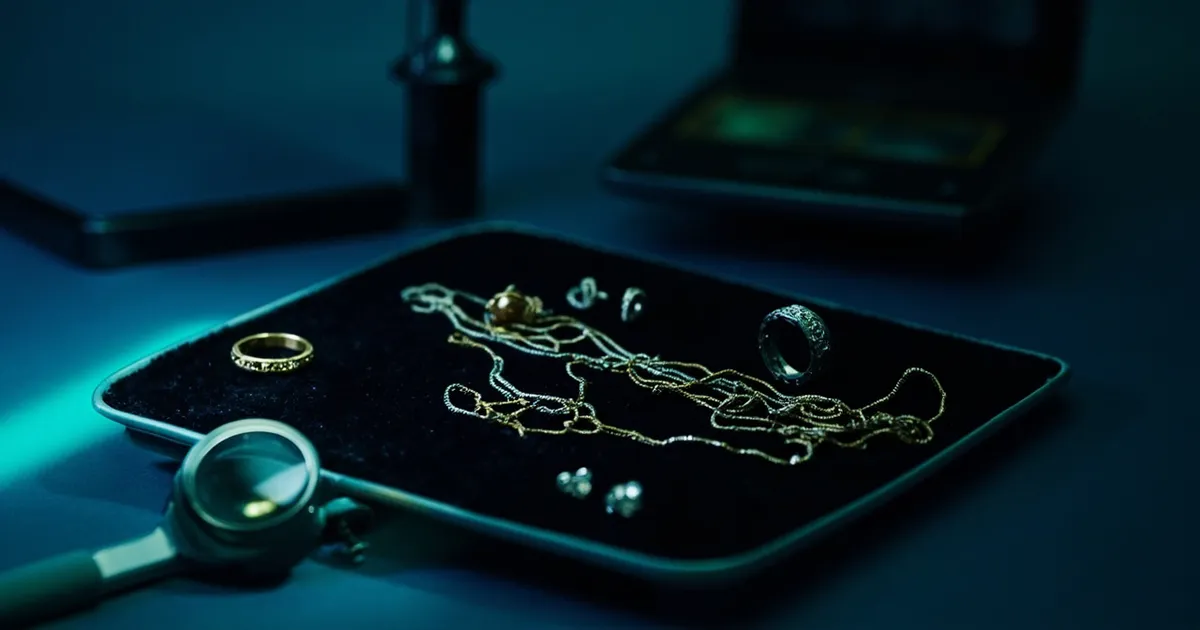
- Read the fineness stamp first: 585 means 58.5% gold, 750 means 75%, 925 means 92.5% silver — these numbers tell you the metal content before you price anything.
- Polish gold carries a knight's head hallmark, silver a woman's head — these are assay office marks confirming the metal was tested.
- Sell as a piece when design, maker or stones add clear value above the metal; otherwise compare the piece price against a current metal quote and choose the higher net.
- Marks are evidence, not proof — stamps can be faked, and plating hides the base metal underneath.
- For valuable pieces, disclose everything in writing, photograph the hallmarks and weight, and meet in person or use tracked insured shipping.
Selling used jewellery in Poland starts with two numbers: the fineness stamp and the current metal price. Get these right and you can price confidently. Get them wrong and either you give away value or price yourself out of a sale. This page covers how to read Polish hallmarks, when to sell as jewellery versus scrap, how to spot fakes, and which platform suits the value band. It is part of our resale category guides — start there if you want the full picture on pricing any kind of second-hand goods in Poland.
Read the marks: fineness numbers and Polish hallmarks
Every piece of gold or silver jewellery carries a fineness stamp telling you exactly how much pure metal is in the alloy. The Polish system uses numbers in thousandths:
The numbers are only half the picture. Polish law also requires a hallmark from the State Assay Office (Urząd Probierczy). Gold carries a knight's head stamp; silver carries a woman's head. These hallmarks mean the item was officially tested and meets the claimed fineness.
If you are unsure whether a piece should carry a hallmark, ask an assay office (urząd probierczy) or a jeweller before a high-value sale.
Scrap value versus piece value
Every piece of jewellery has two potential values:
- Scrap value (wartość złomu): the value of the metal alone, calculated as weight × fineness × current metal price per gram. Check a current metal price quote before you calculate — these change daily.
- Piece value (wartość jako przedmiot): what a buyer pays for the item as jewellery, factoring in the design, maker's mark, stones, era and condition. A signed piece from a known Polish goldsmith, a vintage Art Deco ring with original stones, or a brand with collector demand can command prices far above the metal value.
The decision rule is simple:
- 1Read the marksAre stamps readable and confirmed?
- 2Get a testHave a jeweller or assay office confirm the metal
- 3Assess piece valueDoes the design, maker, era or stones add clear value above metal?
- 4Compare pricesFind comparable listings for the piece vs. a metal quote
- 5Choose the higher netSell as jewellery if piece price beats scrap minus fees
If comparable pieces in similar condition are priced significantly above their metal value, sell as a piece. If the piece is plain, damaged, unbranded or otherwise unremarkable, compare the piece price against a current metal quote and take the higher net amount.
Testing and what a jeweller can confirm
Home tests exist — magnet and acid kits are sold for gold testing — but they are not reliable proof and we do not recommend relying on them for a resale transaction. A jeweller or a State Assay Office (urząd probierczy) can test the metal with professional tools and confirm whether stones are genuine. This is the standard way to verify before a higher-value sale.
For low-value items on Vinted or OLX, disclosure matters more than proof: state the fineness stamp as it appears, note whether you have seen a hallmark, and describe the condition honestly. Buyers on these platforms typically price based on the stamp and appearance, not lab verification.
Fakes, plated items and missing marks
A stamp is evidence, not proof. These are the red flags to watch:
- Missing or blurred marks on a piece that should have them by age or style
- Plated wear where rubbing reveals a different colour underneath — gold plating over silver or brass, silver plating over copper
- Stamps that do not match the weight or appearance of the claimed metal
Marks can be faked. Even a genuine-looking stamp only tells you the item was once tested — it does not guarantee the metal underneath has not been swapped. For valuable pieces, a professional test is the only reliable proof.
The authentication checklist covers general checks that apply to jewellery as well as other valuable items.
Photos, disclosure and safe handover
For a jewellery listing, your photos and description do the selling work a test cannot do:
- Macro photo of any hallmarks or stamps — buyers verify the fineness this way
- Photo of the item on a scale showing the weight — removes any doubt about listed weight
- Clear close-ups of any stones, settings, clasp mechanism
- Disclose repairs, missing stones, plating wear or any defects in writing
For safe handover:
- In-person sales: meet at a public place, or better, at a jeweller who can test the item on the spot before you exchange money. Agree in advance who pays for the test.
- OLX delivery (Pakiet Ochronny): the buyer has 48 hours after pickup to claim. If they file a claim and it is accepted, the item returns at the seller's cost. Payout releases after buyer confirmation or 48 hours without a claim. The OLX delivery protection page has the full details.
Channel by value band
The right platform depends on what the item is worth. As a rule of thumb:
- Low value items: Vinted, OLX or Allegro Lokalnie — large buyer pools for everyday jewellery, fast movement at lower prices.
- Higher value items: in-person sale on OLX or Allegro Lokalnie — meet the buyer, show the hallmarks, let them have the item tested before payment. This protects you from returns and disputes.
- High value items: consider a dedicated in-person sale with testing, or a specialist antique or jewellery dealer. Finding the right buyer takes longer but can pay off in the price.
If you are also reselling watches or collectible coins, the pricing methods overlap — always compare like for like on metal, fineness, weight band and style.
Pricing against comparable listings
Once you know whether you are selling as a piece or as metal, price against comparables in the same category:
- Same metal and fineness
- Similar weight (chains compare to chains, rings to rings)
- Similar style and era
- Similar condition
List at fair value and leave room to negotiate. If the piece is clearly desirable — a recognised maker, distinctive design, genuine stones — price toward the middle or top of the market range. If comparables are thin, price conservatively and be ready to explain your pricing basis.
PRL-era design pieces often carry collector value similar to jewellery — the same comparison rules apply.
Frequently asked questions
What do 585 and 750 stamped on gold mean?
What does the knight's head hallmark on Polish gold mean?
When is jewellery worth more as a piece than as scrap?
How do I send valuable jewellery safely?
Sources
- Zintegrowana Platforma Edukacyjna (Polish Ministry of Education): gold fineness and hallmarks checked 14 Sept 2026
- Allegro prohibited and conditional goods checked 14 Sept 2026
- eBay Authenticity Guarantee (UK) checked 13 Sept 2026
- eBay Authenticity Guarantee (Germany) checked 13 Sept 2026
- OLX Pakiet Ochronny (Protection Package) checked 13 Sept 2026
Analyze an item with reva
Open any find and see its five-level price ladder, demand score and price confidence, built from comparable items that left the market. Estimates, not guarantees.
reva estimates prices from public listings. Estimates, not guarantees.Keep reading
What sets the price, the main risk and the best selling channel for each category of used items, from phones and LEGO to jackets, with a guide for each one.
17 min read
How to sell collectible coins: tell collector, circulation and bullion coins apart, keep them uncleaned, check fakes and follow Vinted and Allegro coin rules.
5 min read
Reselling designer sunglasses: read the temple codes, keep the case and cloth, check lenses and hinges, spot fakes and choose a channel for the price band.
9 min read