 reva
revaCharity Shop Reselling: How to Source Fairly and Profitably
Charity shops fund good causes and also stock underpriced gems. How to buy there without guilt or guesswork, from UK high streets to Polish sklepy charytatywne.
- Charity shops set their own prices — the charity gets its asking price whether you resell or keep the item, but some shops have informal policies on resellers that vary by location.
- No universal restock day exists; build your own four-week observation log for each shop you visit regularly.
- Always check seams, zips, stains and care labels before paying — what you miss becomes a not-as-described claim on the marketplace.
- Vinted's personal-use rule and counterfeit ban apply to charity shop finds; regular volume reselling may trigger commercial-activity flags.
- Platforms report sellers to tax authorities once they reach 30 sales or €2,000 in revenue per year under DAC7 — this is reporting, not tax advice.
Charity shop reselling sits in a grey area that many resellers worry about — is it fair to buy something for £3 and list it for £25? For example, say you find a vintage coat for £3 and sell it for £25 after fees and shipping. The charity gets its asking price either way, but the ethics and practicalities depend on how you do it. This page covers what charity shops, lumpeks and second-hand shops have in common, how to learn a shop's restock rhythm without relying on rumour, what to check on the rails before you pay, and how to sell your finds within the rules.
For a broader view of where resellers source stock, see the product sourcing guide.
Charity shops vs lumpeks vs second-hand shops
The three main sourcing channels differ in who sets prices and where the money goes.
| Charity shop | Lumpeks | Second-hand shop | |
|---|---|---|---|
| Who sets prices | Volunteers or staff | Owner (weight or piece) | Owner (piece) |
| Where money goes | Charity cause | Owner's business | Owner's business |
| Restock pattern | Observe yourself — not published | Often listed on SecondHandy; delivery vs discount days | Varies by shop |
| Best for | Designer labels, vintage, homeware | Bulk basics, weight-price deals | Curated pieces, specific brands |
Charity shops are run by volunteers or paid staff who set prices based on what they think an item is worth — often a flat rate per category rather than market research. The money funds the charity's cause, not a business owner. Lumpeks (Polish second-hand shops) are businesses that may price by item or by weight, and their restock cycles are sometimes listed on directories like SecondHandy. Independent second-hand shops are closer to lumpeks but often curate more carefully.
For weight-priced shops, the lumpeks sourcing guide has a deeper breakdown.
Is reselling charity shop finds ethical?
Both sides of the debate have valid points. The charity receives its asking price regardless of whether you keep or resell the item — the sale generates the same funds for the cause. Some shoppers argue that resellers clearing rails limits choices for people who genuinely need cheap clothes. Others point that without resellers, many items would be discarded anyway, and extending an item's life raises more money overall.
Practical fair-play habits include not buying in bulk on delivery day if it visibly limits stock for regular shoppers, checking whether a specific shop has an informal policy on resellers, and being upfront about condition in your listings. If a shop explicitly asks resellers not to buy certain items, respect that.
Learning a shop's rhythm: a four-week observation log
Charity shops do not publish a universal restock schedule. Every shop runs its own cycle, and most do not announce it publicly. The only reliable method is a personal observation log.
- Week 1 — Mon
Visited 10:00. New rails at back: summer dresses, denim. Prices unchanged.
- Week 1 — Thu
Visited 14:00. Some new jumpers on middle rail. Price tags unchanged.
- Week 2 — Mon
Visited 10:00. Big delivery — coats and leather bags on front rail. New prices 10-15% higher.
- Week 2 — Fri
Visited 11:00. Discounted items from Mon now 30% off. Bought 2 blazers, £8 each.
- Week 3 — Mon
No new stock visible. Sold rails looked picked over.
- Week 3 — Wed
Small delivery: scarves, belts. No price change.
- Week 4 — Mon
Large delivery again. Bought cashmere coat, £12 (original £35).
- Week 4 — Fri
Discounted Mon items now half price. Bought leather jacket, £7.
Do not claim universal restock days based on one shop's pattern. In the UK, some shops near weekend markets may restock on Monday mornings after weekend donations; in Poland, sklepy charytatywne attached to churches or foundations often restock on specific weekdays, but this varies widely. Keep your log for at least four weeks before drawing conclusions.
What to look for on the rails and shelves
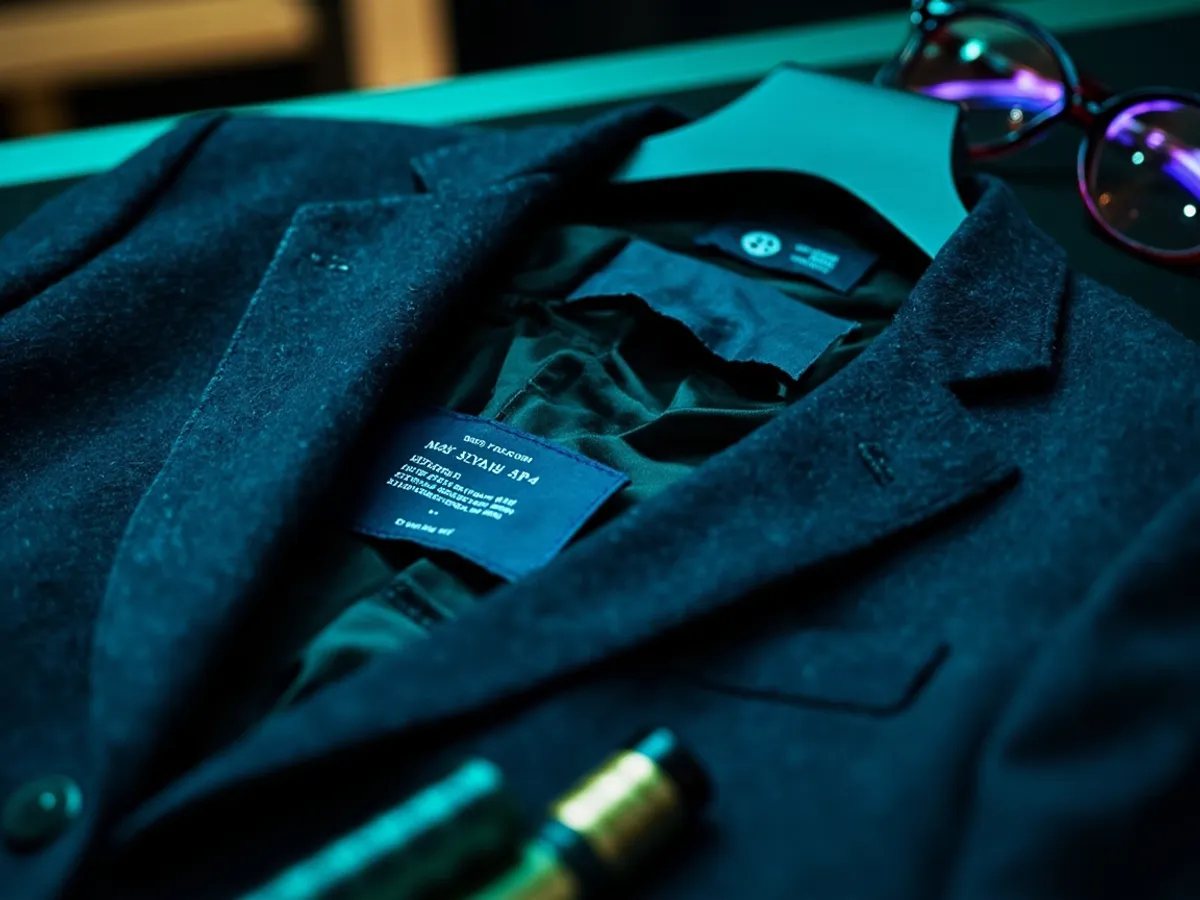
Focus on method, not price lists. Train your eye on three categories:
- Brands and materials worth a lookup. If you do not recognise a label, check it on Vinted while you are in the shop. A £5 'designer' item is often a counterfeit.
- Homeware, books and media. Charity shops often stock vintage ceramics, hardback books and CDs that sell well on Vinted and Allegro Lokalnie.
- Condition red flags. Turn garments inside out. Check seams, especially at armpits and hems. Test zips and buttons twice. Look for stains under arms and on collars that are invisible on the rack.
A missing care label means you cannot accurately describe the material composition on Vinted — leave it or price it as 'unknown materials'.
For more on spotting fakes, see the spot fake listings guide. For vintage clothing specifically, the vintage clothing sourcing guide has a separate method.
Checks before you pay

Before you reach the till, run through this checklist:
- Zip up and zip down twice — check for snags
- Do up all buttons — check for loose threads
- Turn inside out — check seam integrity at armpits and hems
- Check inside pockets with a torch — look for holes, staining
- Inspect care label — note material composition and washing instructions
- Search unfamiliar brands on Vinted — verify the item exists at market price
- Check for missing parts — belts, hood ties, original buttons
If an item shows signs of wear you cannot fix, either leave it or price it significantly below comparable listings to account for the flaw.
For a quick check on whether an item is worth reselling, use our evaluate a deal guide while you are still in the shop.
Selling charity shop finds: platforms and rules
Vinted's standard accounts are for personal use. The platform lists signals of commercial activity that can lead to hidden listings or bans: a high number of completed orders, high revenue, many new or tagged items, identical items in several sizes or colours, stock photos and bulk-bought low-value goods. Vinted's catalogue rules also strictly forbid counterfeits — this includes "handmade items that resemble other brands", and selling fakes could expose you to civil and criminal proceedings.
If you sell an item described as vintage on a platform like Etsy, be prepared to explain how you know it is vintage. Etsy defines vintage as at least 20 years old and does not accept "handed down" or "bought at an estate sale" as proof.
In Poland, Vinted Pro was not available as of September 2026, so Polish resellers must stay within personal-account limits. For UK sellers, Vinted's updated terms take effect on 8 October 2026 — check the help pages for any changes to buyer protection or fees.
For the difference between selling yourself and consignment, see the consignment vs selling yourself comparison.
Keeping score: when a shop is worth your time
Track your profit per hour for each shop you visit. After each trip, note:
- Time spent in the shop
- Items bought and total cost
- Items listed and their asking prices
- Items that sold and final price
Over four to six weeks, say you find a shop that consistently delivers £15–£20 profit per hour of browsing — that is worth regular visits. A shop where you spend two hours and leave with nothing that will sell is not.
Platforms report sellers to tax authorities once they reach 30 sales or €2,000 in revenue per year under the EU DAC7 directive. This is a reporting requirement, not proof that you owe tax — it is general information, not tax advice.
Frequently asked questions
Is it wrong to buy charity shop items to resell?
How do I find out when a charity shop puts out new stock?
What should I check before buying clothes in a charity shop?
Can I sell charity shop finds on a personal Vinted account?
Sources
- Vinted UK Help: Commercial selling checked 13 Sept 2026
- Vinted PL Help: Commercial selling and Vinted Pro checked 13 Sept 2026
- Vinted Catalogue Rules checked 13 Sept 2026
- Etsy Vintage Items Policy checked 13 Sept 2026
- gov.pl: Co warto wiedzieć o dyrektywie DAC7 checked 13 Sept 2026
See live opportunities
Scout shows finds priced below the level where similar items leave the market. Every price is an estimate you check before you buy.
reva estimates prices from public listings. Estimates, not guarantees.Keep reading

Where resellers find stock and how to judge it: online listings, second-hand shops, bales, alerts, buying rules, demand checks and fake detection.
25 min read
Where to find vintage clothing to resell: lumpeks priced by weight, flea markets, house clearances and family wardrobes; what to skip and how to judge age.
9 min read
Consignment vs selling yourself on Vinted, OLX or Allegro Lokalnie: published commissions only, your time and risk, and a worked zł example of what you keep.
6 min read