 reva
revaHow to Tell if an Item Is Actually Rare Before You Price It
Scarcity is not demand. Check both before a find becomes a bargain for someone else, or dead stock for you.
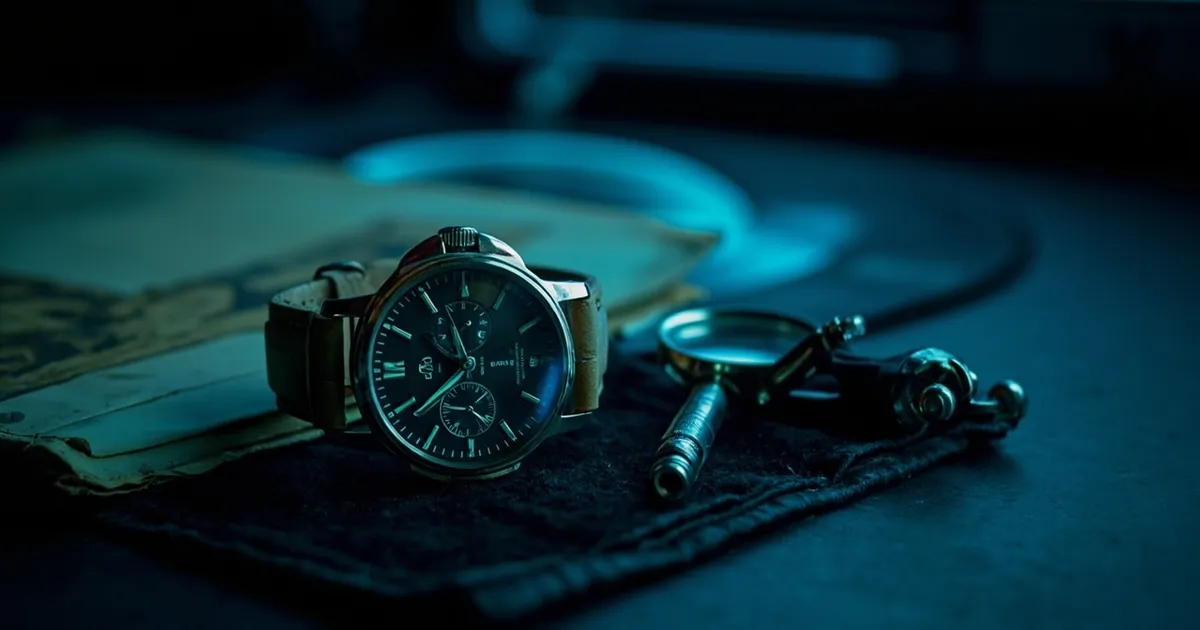
- Rare means genuinely scarce and wanted — age alone, or the word 'rare' in a title, proves neither.
- Count live asks on Vinted, OLX and Allegro Lokalnie under the exact model name before you trust a 'rare' claim; a handful of listings tells a different story than zero or fifty.
- Low price confidence on reva's Scout is itself a signal on a 'rare' item: few comparables mean a thin market, not automatic value.
- Catawiki charges sellers 12.5% commission plus a fixed amount, and buyers a 9% + €3 Buyer Protection fee; Chrono24 charges private sellers 6.5% only once a watch sells.
- reva estimates prices on Vinted, OLX and Allegro Lokalnie only — it doesn't read Catawiki or Chrono24, so its fair value is silent on what a specialist audience would pay.
- Rare, scarce or just old: three different things
- Why rare in a listing title proves nothing
- The supply check: how many are for sale right now
- The demand check: does anyone actually want it
- Identifying details that make an item genuinely rare
- Do not underprice a real find: auction and specialist channels
- Rarity checklist before you set a price
An item isn't rare just because it's old, or because a seller typed "rare" in the title. Before you price anything as rare — or pay extra for something advertised that way — check two things: how many are actually for sale right now, and whether anyone is actually looking for one. This page walks through both checks, what genuinely makes an item hard to find, and where a real find sells for more than it would on a general marketplace.
This page is part of reva's resale pricing guide; once you've confirmed a find is genuinely scarce, the pricing method itself is a separate page, linked at the end of this one.
Rare, scarce or just old: three different things
These three get used interchangeably, and that's where a lot of overpricing starts.
- Old just means made a while ago. Age alone doesn't create value — most old things are old because nobody wanted the newer version, and nobody wants this one either.
- Scarce means few exist, or few are offered for sale. Scarcity is necessary for a high price, but not enough on its own.
- Rare should mean genuinely scarce and wanted — a specific edition, a discontinued run, a documented one-off. If either half is missing, "rare" is just marketing.
Why "rare" in a listing title proves nothing
Sellers use "rare" because it's a word buyers search for, not because anyone verified anything. A title search across Vinted, OLX or Allegro Lokalnie for almost any category turns up dozens of "rare" listings for items that are simply older stock.
Treat the word as a prompt to ask for details, not as a fact: the exact model or edition name, the year, a serial or reference number, and — where it matters — proof of purchase or provenance. A seller who can't or won't give specifics on request is telling you something.
The supply check: how many are for sale right now
Search each of Vinted, OLX and Allegro Lokalnie with the exact model or edition name, not a general category term, and count how many are actually listed. A handful of live asks across three platforms is a different situation from one, and "zero results" is different again from a case where, for example, one seller is asking 4,000 zł for it and nobody's buying.
Sorting matters here too: on Vinted, sorting by price low to high — one of its standard search options — shows the full range sellers are actually asking, not just the first few results. A live ask is not a sale; it only tells you what someone hopes to get, which is why the next check matters more.
The demand check: does anyone actually want it
Supply without demand is dead stock with a story attached. Two signals help separate the two:
- Favourites or saves on a listing, where a platform shows them, indicate active interest even before a sale — the fuller method is in checking resale demand.
- Comparable items that have left the market — the word for a listing that's disappeared, not confirmed as sold — and how quickly, tell you whether similar pieces actually move; see finding comparable items that left the market.
Identifying details that make an item genuinely rare
Genuine rarity usually leaves a paper trail, and it's worth learning to read it before you decide a piece is special:
- Edition or model number. A named limited run, a specific reference number, a printed edition size.
- Year and provenance. When it was made, and — for anything with real value — who owned it and how you can show that.
- Condition. Damage or heavy wear works against rarity value the same way it works against ordinary resale value; a "rare" item in poor condition is still a poor-condition item.
Authenticating any of this properly is its own skill — the checklist in authenticating a find before you buy or sell it covers how to verify details like these across categories.
For anything genuinely high-value, Vinted's own Item Verification service is worth knowing about even outside its usual case: it costs 45 zł in Poland (£10 in the UK, €10 in the euro markets) and is paid by the buyer, which can reassure a buyer enough to bid closer to what a real find is worth.
Do not underprice a real find: auction and specialist channels
A genuinely scarce, genuinely wanted item can be worth more through a channel built for that kind of buyer than through a general marketplace:
- Catawiki, an auction site for collectibles and specialist categories, charges sellers 12.5% commission plus a fixed amount shown at listing (both excluding VAT); buyers separately pay a Buyer Protection fee of 9% of the final bid plus €3 — for example, a €100 winning bid carries a €12 buyer fee on top. Bidding can open at €1, at 50% of your reserve, or at the reserve itself. Its full fee structure is in Catawiki seller fees.
- Chrono24, for watches specifically, charges private sellers 6.5% commission only once a watch sells, with free listing — detail in Chrono24 fees for watches.
Neither of these is something reva reads: reva's Scout and Buy cover Vinted, OLX and Allegro Lokalnie, not specialist auction platforms, so a fair-value estimate from reva says nothing about what a Catawiki or Chrono24 audience would pay for the same piece.
Rarity checklist before you set a price
Once you can answer these in order, you're ready to move from "is this rare" to "what is it worth":
- 1Identify the exact model, edition or referenceNot the category — the specific item
- 2Count live asks on Vinted, OLX and Allegro LokalnieFew or none is a signal, not a price
- 3Look for comparables that left the marketShows whether similar items actually move
- 4Check demand signals: favourites, time on marketConfirms someone wants this, not just that few exist
- 5Choose a channel: marketplace, auction or specialistA real find can be worth more off the general marketplace
- Confirm the exact edition, model or reference — not just the category
- Count how many are listed right now on Vinted, OLX and Allegro Lokalnie
- Check for comparables that left the market, not just live asking prices
- Look for demand signals: favourites, saves, how fast similar items move
- Decide whether a specialist channel like Catawiki or Chrono24 fits before you list on a general marketplace
Confirmed scarce and wanted, with the details to back it up? The pricing method itself — building an estimate when there's little or nothing to directly compare against — is in pricing an item with no comparable sales. If the checks above point to "common" instead, or nobody's asked in months, that's market liquidity telling you something too, and it's worth reading before you commit shelf space to a slow mover.
Frequently asked questions
How do I know if an item is truly rare before selling?
Does rare mean an item will sell for a lot?
Where should a genuinely rare find be sold?
Why do so many listings call ordinary items rare?
Sources
- Catawiki: how does selling on Catawiki work checked 13 Sept 2026
- Catawiki: how does the Buyer Protection fee work checked 13 Sept 2026
- Chrono24: sell your watch checked 13 Sept 2026
- Vinted Poland: price list (Item Verification) checked 13 Sept 2026
Analyze an item with reva
Open any find and see its five-level price ladder, demand score and price confidence, built from comparable items that left the market. Estimates, not guarantees.
reva estimates prices from public listings. Estimates, not guarantees.Keep reading

How to price used items for resale: comps from sold and live listings, condition, price levels from fast sale to max profit, markdowns, offers and bundles.
21 min read
No comparable listings? Four methods that still work: category anchors, cost-plus floors, price discovery with revision dates, and asking the market.
7 min read
Check resale demand before you buy: live competition, favourite speed, how fast similar listings leave the market and liquidity vs margin, no sold filter.
9 min read