 reva
revaKomornik Auctions: How Resellers Buy at Bailiff Auctions in Poland
Starting prices below valuation attract resellers, but there is no warranty, payment is due fast and you must collect at once. The rules straight from the Code of Civil Procedure.
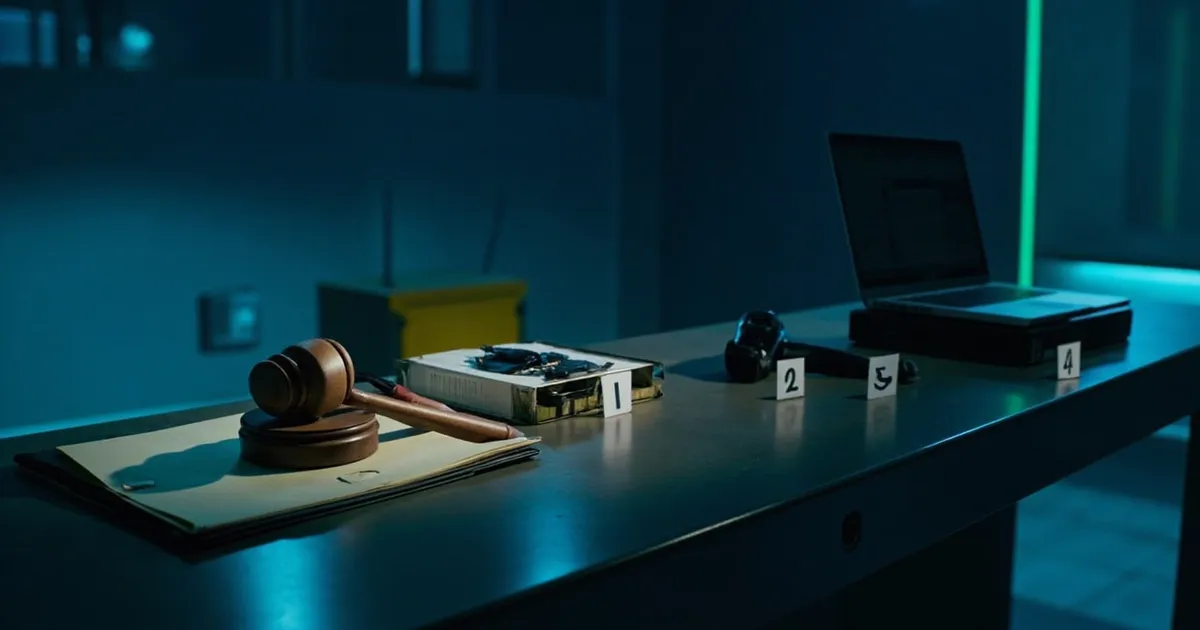
- The starting price at the first auction is three-quarters (3/4) of the valuation; at the second auction it falls to one-half (1/2). Nothing sells below the starting price.
- Rękojmia (deposit) is 1/10 of the valuation, paid at least one day before the auction for on-site sales and two working days before for e-auctions. Lose it if you win and don't pay.
- E-licytacja runs seven days (09:00-14:00, +5 min extensions), with notice posted at least a week before on licytacje.komornik.pl.
- You have no warranty (rękojmia) claims after the sale — buy as-is and inspect thoroughly before bidding.
- Calculate your max bid as: resale estimate minus transport, repair, marketplace fees and a buffer for the no-warranty risk.
A bailiff auction (licytacja komornicza) is where a komornik (court bailiff) sells movable property that a court has seized from a debtor to recover a debt. The notices appear on the Krajowa Rada Komornicza portal at licytacje.komornik.pl, and the entire process follows the Kodeks postępowania cywilnego (KPC — Polish Code of Civil Procedure). This page covers how the auctions work, what you risk, and how to decide whether a komornik auction fits a reseller's strategy. It is part of our broader product sourcing guide for resellers in Poland.
This is general information only, not legal advice. For any specific situation, consult a lawyer.
What bailiff auctions of movables are
When a court rules that someone must pay a debt and they cannot or will not pay, the court can order the bailiff to seize and sell their movable property — cars, electronics, furniture, tools, household goods. The bailiff publishes an obwieszczenie (notice) on the court notice board and on the Krajowa Rada Komornicza website licytacje.komornik.pl.
The notice states the time and place of the auction, a description of the items, the valuation (oszacowanie), the starting price and when and where you can inspect the property before bidding. This is a public process, and anyone can attend or bid — with certain legal exclusions.
Starting price, valuation and the second auction
The valuation is an expert estimate of what the items are worth. At the first auction, the starting price is three-quarters (3/4) of the valuation. If no bid reaches that price, the court can order a second auction where the starting price drops to one-half (1/2) of the valuation. The item cannot be sold below the starting price at either auction.
For example, if an item is valued at 8,000 zł, the first auction starts at 6,000 zł. If nothing sells, the second auction starts at 4,000 zł. The rękojmia deposit (see below) is calculated from the valuation, not the starting price.
Rękojmia: the deposit and when you lose it
To bid, you must pay rękojmia — a deposit of one-tenth (1/10) of the valuation. For on-site auctions, this must be paid by the end of the business day before the auction. If the valuation is below 5,000 zł, no rękojmia is required for on-site auctions.
For e-auctions, you must transfer the rękojmia to the bailiff's bank account at least two working days before the auction start time. The bailiff's account details appear in the auction notice.
You lose the rękojmia if:
- You win and do not pay the full price by the deadline
- Your bid is invalid because you were excluded from bidding
The rękojmia is not a fee — it counts toward your final payment if you win.
Online e-licytacja step by step
Most movable auctions now run online through the e-licytacja system. Here is how it works, as set out in KPC art. 879² through 879⁹ (checked against the text in force as of 14 September 2026):
- Notice published — at least seven calendar days before the auction, the notice appears on licytacje.komornik.pl with photos, a description, the valuation, starting price, inspection times and the bailiff's bank details.
- Inspection — the notice states when and where you can view the items. This is your only chance to check condition before bidding.
- Register and pay rękojmia — you create an account on the portal (the regulamin and registration steps were not verified for this page — read them before bidding). Transfer the rękojmia at least two working days before the auction starts. You provide your PESEL number, ID document number and a marital-property statement.
- The auction runs — seven calendar days, starting and ending between 09:00 and 14:00 on working days. Bidding is incremental.
- Extension rule — a bid placed in the last five minutes extends the auction by five minutes. This can repeat.
- Przybicie (knock-down) — the highest bid is confirmed. The court serves a notice, and the winner must pay by 18:00 on the next business day.
- Collection — you collect the items immediately after payment. No delay, no holding period.
- Notice published
≥7 days before
- Inspection
As stated in notice
- Rękojmia paid
≥2 working days before start
- Auction runs
7 days, 09:00-14:00, +5 min extensions
- Przybicie notice
Served after auction ends
- Payment due
By 18:00 next business day
- Collection
Immediately after payment

Inspecting before you bid
The notice tells you exactly where and when the movables can be inspected. This is critical — you are buying without warranty, so you must see what you are getting.
What to check for resale:
- Physical condition: cracks, scratches, missing parts, wear on edges
- Electronics: does it power on, are cables and remotes present, any error messages
- Functionality: test if possible, especially tools, appliances and devices
- Completeness: compare against the description, check for listed accessories that are missing
- Serial numbers: record them and verify they match the notice
If you cannot inspect in person, ask the bailiff's office whether they can provide additional photos. Some items are sold in sealed lots — in that case, you buy completely blind. To check whether an item is worth reselling, use our guide on how to evaluate a deal.
For electronics testing guidance, see our page on testing used electronics. For legal risks around stolen goods, see avoiding buying stolen goods.
After you win: payment, collection and no warranty
Once the court confirms your winning bid (przybicie), you must pay the full price by 18:00 on the business day following the notice. Payment is made to the bailiff's account, details in the notice.
Collection is immediate. You must pick up the items right after payment. The bailiff does not arrange shipping or storage. Factor in transport costs and logistics before you bid.
There is no warranty (rękojmia). This is the most important rule for resellers. Under KPC art. 879, the buyer becomes owner free of all encumbrances and has no right to claim for defects. If you buy a laptop that fails the next day, or a tool missing a part, you have no recourse against the bailiff or the previous owner.
Is it worth it for a reseller? Max-bid checklist
Bailiff auctions can offer items below market value, but the no-warranty rule means you must build risk into your math. Use this checklist before you bid:
- Get the valuation amount from the notice
- Estimate resale price using comparable items on Vinted, OLX or Allegro Lokalnie
- Subtract marketplace selling fees (for example, say you budget 10% for fees)
- Subtract estimated transport and collection costs
- Subtract repair or cleaning costs if the item needs work
- Add a buffer for the no-warranty risk — if it breaks, you absorb the loss
- The remaining amount is your max bid. Do not exceed it.
If the result is negative or barely positive, the auction is not worth it. Move on.
For a tool that helps you calculate the maximum price to pay, use our max buy price calculator.
This channel works best for items you can inspect, resell quickly and absorb some loss on if something is wrong. Electronics, tools and furniture in decent condition are the most common resale candidates. Cars and vehicles require separate checking and registration — real estate auctions are out of scope for this page. If you are new to reselling in Poland, start with our reselling in Poland overview.
For other sourcing channels, see our page on house clearance sourcing.
Frequently asked questions
How much deposit do I need to bid at a bailiff auction?
Can I return a faulty item bought at a komornik auction?
How long does an online bailiff auction last?
Who is not allowed to bid at a bailiff auction?
When do I have to pay after winning a bailiff auction?
Sources
- Kodeks postępowania cywilnego, tekst jednolity Dz.U. 2026 poz. 468, art. 867 checked 14 Sept 2026
- Kodeks postępowania cywilnego, tekst jednolity Dz.U. 2026 poz. 468, art. 867¹ i 867² checked 14 Sept 2026
- Kodeks postępowania cywilnego, tekst jednolity Dz.U. 2026 poz. 468, art. 879 checked 14 Sept 2026
- Kodeks postępowania cywilnego, tekst jednolity Dz.U. 2026 poz. 468, art. 879²-879⁹ checked 14 Sept 2026
- Portal Obwieszczeń i Licytacji Komorniczych – Serwis Krajowej Rady Komorniczej checked 14 Sept 2026
See live opportunities
Scout shows finds priced below the level where similar items leave the market. Every price is an estimate you check before you buy.
reva estimates prices from public listings. Estimates, not guarantees.Keep reading
Where resellers find stock and how to judge it: online listings, second-hand shops, bales, alerts, buying rules, demand checks and fake detection.
25 min read
What to take from a house clearance to resell: how to price your offer for the lot, a one-hour room triage, and the transport and disposal costs to count.
7 min read
How to avoid buying stolen goods: red flags in listings and meetings, serial and IMEI checks, proof of ownership and what Polish law says on paserstwo.
7 min read